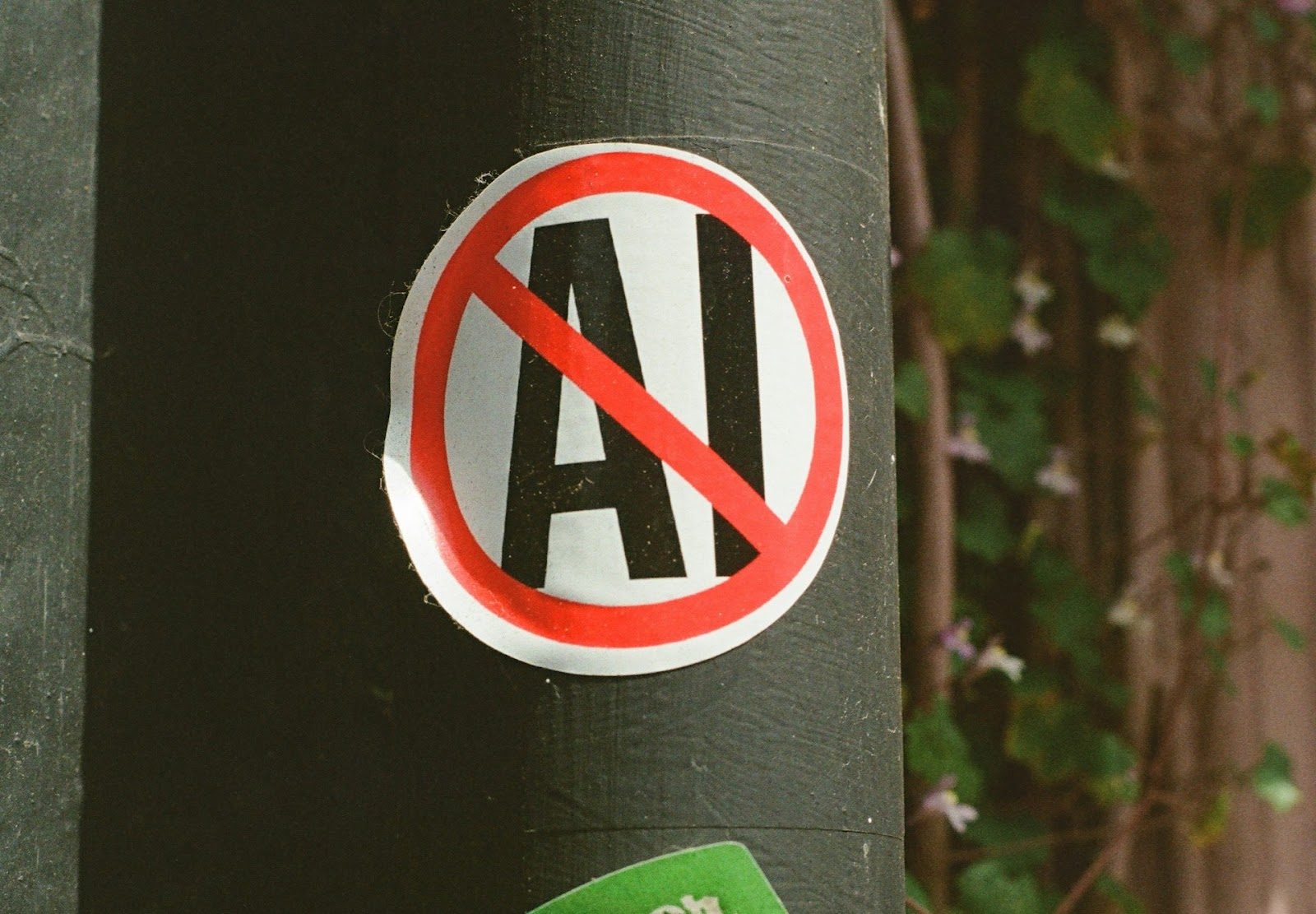
Why AI Layoffs Sabotage the Productivity Gains Companies Expect
New research from the University of Pittsburgh shows that job cuts tied to AI investments fuel employee fear and resistance, offsetting the efficiency gains the technology was supposed to deliver.
Source material: digitalinformationworld.com
The 90% Disconnect
Corporate spending on AI has surged, yet a Federal Reserve Bank of Atlanta survey found that roughly 90% of executives say AI has not yet boosted productivity. Mark Ma, professor of business administration at the University of Pittsburgh, and colleagues analyzed five years of corporate announcements, financial reports, and employee reviews. They found that AI-driven layoffs and job insecurity are undermining the very efficiency gains AI promises. The productivity increases seen since 2021 may owe more to remote work or downsizing in tech than to AI.
Layoffs as the Shortcut
The researchers found a clear pattern: as AI investment announcements rise, so do announcements of job cuts caused by AI. This is not coincidence but a deliberate strategy. Managers at publicly traded firms face pressure to show short-term gains, so after investing in AI, they cut headcount to lower labor costs and realize the anticipated return. Some companies even shed employees before pouring money into AI, to free up capital. Yet the stock market reaction to these layoffs is muted. Across the events studied, the average return was close to zero, and more than half were negative or unchanged. Financial tech platform Block was a rare exception, with its stock jumping on news of AI-related staff cuts. That muted response signals hidden costs that undermine the benefits.
What Glassdoor Reveals
An analysis of millions of Glassdoor reviews found that AI-related comments were markedly more negative than the overall tone. Workers cited fears of job loss, lack of training, limited opportunities to upgrade skills, and poor corporate AI leadership, along with doubts about AI's productivity benefits. Concerns about job security were by far the most critical. The data showed a strong association between employee sentiment toward AI and firm productivity: when workers feel negatively toward AI, productivity tends to be lower. Many employees resist AI because they have watched colleagues lose jobs to it or fear they will be next.
The Optimism Gap
Management, in contrast, projects confidence. Analysis of about 10,000 earnings-call transcripts showed consistently optimistic language around AI. Yet that optimism had no significant relationship to productivity outcomes. Employee sentiment, the researchers found, plays a far larger role. When companies announced layoffs tied to AI, sentiment among workers sharply declined. This aligns with a Reuters/Ipsos poll that found half of Americans fear AI could put someone in their household out of work. The gap between executive pronouncements and front-line anxiety helps explain why the promised productivity gains fail to appear. Managers may be selling a future that employees are not buying, and the market seems to sense the disconnect.
The Self-Defeating Cycle
The research concludes that using AI to justify job cuts is a strategic miscalculation. The layoffs destroy the very conditions needed for AI to work: employee trust and willingness to adopt the tools. Employee sentiment toward AI is one of the strongest predictors of firm productivity when AI is used, the study found. The result is a demoralized workforce and underwhelming returns. To break the cycle, the researchers argue, managers must share the gains of AI with employees—investing in skills and expanding opportunity rather than cutting jobs. Companies that do so are the ones most likely to profit from their AI investment. Treating AI as a tool for enlargement, not reduction, is the only path that pays off.
Where this came from. This breakdown is based on source material published at digitalinformationworld.com. Images above are used with the credits shown beneath each one.