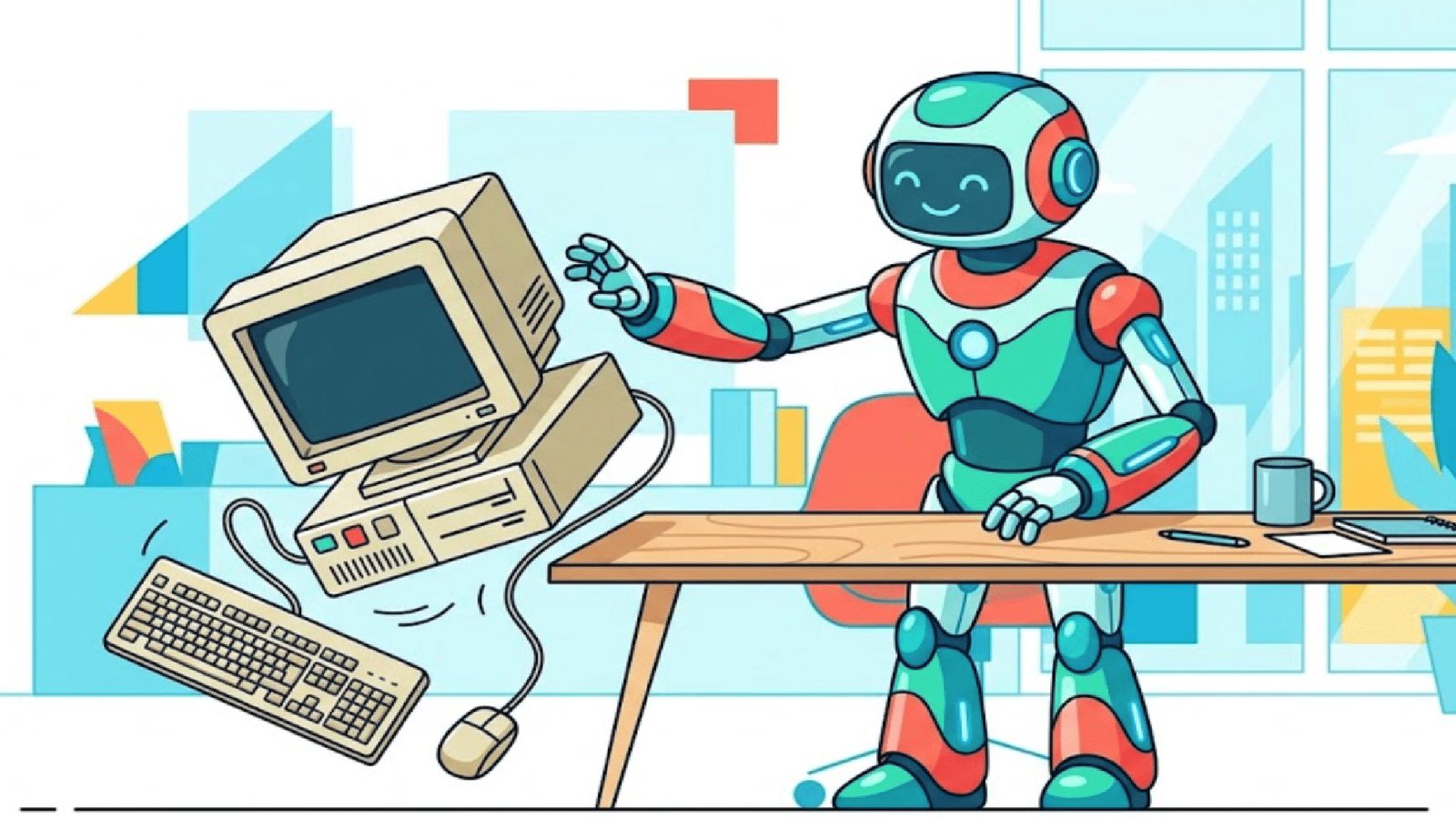
The battlecard is dead. Your reps opened Claude instead.
Wynter's 2026 survey of 101 product marketers charts the first martech category AI has hollowed out — and the same failure shape sitting in your renewal list.
Source material: martech.org
The swap already happened
You bought the tool to watch competitors. It builds battlecards, tracks pricing pages, pings you on launches. You pay annually. Then a competitor comes up on a call, and your rep opens Claude. Wynter's 2026 State of Competitive Intelligence in B2B SaaS — 101 product marketers at mid-market and enterprise firms — asks where they get competitive intelligence. Twenty-one percent cite ChatGPT, Claude, or Gemini. Fourteen percent name a dedicated CI tool. Reddit beats both at 23%. One senior product marketer said: "I haven't seen any CI tools worth the investment. I can replicate most of what Crayon and Klue do with an agent in Claude." Read that against what these tools cost. A general-purpose chatbot with zero CI features outranks the products built for the job. Buyers report no loss. The category is being hollowed out in real time by a product that was never aimed at it.
The product was a document, and documents rot
None of this is because AI is clever. It's because of what a CI tool hands you: a battlecard, a one-page brief a rep pulls up mid-deal. Wynter found 47% of battlecards go stale within three months, 82% within six, and only 2% last more than a year. Competitors now ship features, change pricing, and reposition every couple of weeks. A document refreshed quarterly describes a company that stopped existing between refreshes. Reps stopped opening it. Only one in three sales teams consistently uses the competitive content product marketers produce. Thirty-seven percent freestyle or ignore it. One director of product marketing: "They mostly freestyle. I see very little traffic to my content." A model has no such problem — ask it about a competitor and it assembles an answer live. The battlecard was a photograph aging on a shelf. The chatbot writes a new one every time you ask.
The narrow move
The fix is narrow. Put the intelligence where the work happens, and put a person on it. Wynter's own read is that the answer is intelligence in the workflow — wired into the tools reps already live in, Slack and your CRM, backed by a model with access to current sources, with a human accountable for accuracy. The static PDF sitting in Highspot was failing before AI showed up; AI only made the alternative impossible to ignore. The governance problem solves itself the same way: a named human reviews what the model surfaces, checks the sources, and owns the claim before it reaches a rep. Pull up your next renewal. Find the CI tool line. Before you re-sign, ask the two people who are supposed to use it when they last opened it, and what they reached for instead. If the honest answer is a chatbot, you already know what that line item is: shelfware you're about to pay for again.
Where this came from. This breakdown is based on source material published at martech.org. Images above are used with the credits shown beneath each one.