OpenAI's Answer to Apple's Trade Secrets Suit: What the New Evidence Actually Shows
OpenAI published emails, chat logs, and a pointed blog post to rebut Apple's claims of stolen hardware secrets—here's what each side is really arguing.
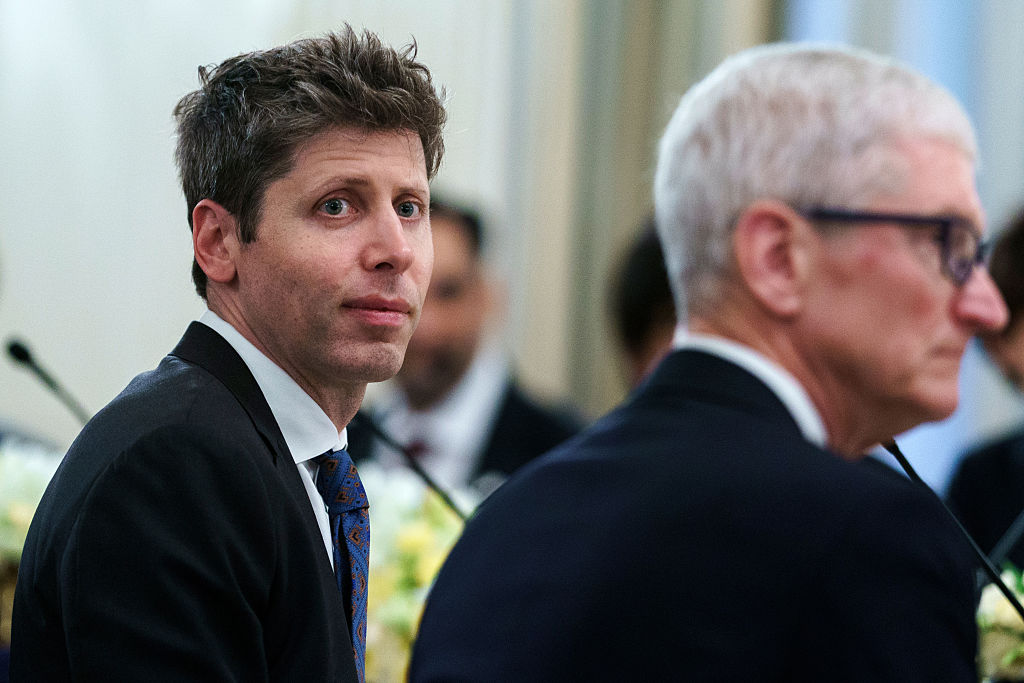
The iPhone maker claims ex-employees smuggled confidential plans to OpenAI—now the AI startup's response hinges on who had access to what, and what that means for its rumored smart speaker.
Source material: techcrunch.com
When Apple filed its trade secret lawsuit against OpenAI in July, it named two former employees: Chang Liu, a senior systems engineer, and Tang Yew Tan, now OpenAI's chief hardware officer. The complaint also swept in OpenAI and io, the device startup co-founded by Jony Ive that OpenAI acquired last year. But Apple's latest filing suggests the alleged misconduct goes well beyond those two. The company is now seeking expedited discovery from the defendants, claiming its investigation has surfaced 11 other former Apple employees who may have witnessed or participated in the theft. One formerly worked at Apple and apparently met with Liu and another OpenAI employee, Yu-Ting Peng, before Peng's interview at the AI firm—discussing unannounced Apple products at that meeting. Another took screenshots of confidential documents relating to an unannounced Apple product ahead of a separate OpenAI interview. After Apple filed its complaint, several former Apple employees now at OpenAI reached out to return the Apple-issued work devices they had kept when they left, a move Apple reads as an attempt to cover tracks.
OpenAI's public response, posted on its website, doesn't pull punches. The company calls Apple's lawsuit "careless, aggressive and oddly personal," and insists that its request for a preliminary injunction is "based on false information and completely unnecessary because we do not have, nor want, any of their trade secrets." To back that up, OpenAI published chat logs and emails showing how Liu was actually approached by his former colleagues after he had already left Apple. Those colleagues asked for help locating confidential information—and, OpenAI argues, any access Liu had was the result of Apple's own sloppy offboarding, not a deliberate scheme. The AI firm also points to a miscommunication: Apple claims it tried to contact OpenAI in February about its concerns and got no response, but according to OpenAI, Apple emailed the wrong person after confusing two different Asian last names. Apple also allegedly didn't correct its claim that it had spoken to OpenAI's general counsel, and it failed to acknowledge that "residual access" for ex-employees is a known issue stemming from Apple's failure to properly manage system permissions when people leave.
That last point gets to the heart of the dispute. OpenAI's defense of Liu and Tan rests heavily on the idea that former Apple employees can still reach Apple's internal systems long after their departure. OpenAI says Apple admitted its own employees contacted Liu, but then tried to shift blame to "residual access"—without disclosing that this is a common issue caused by Apple's own security procedures. If former employees still have access to sensitive files without meaning to, it becomes hard to argue that every download was a targeted theft. On Tan's side, OpenAI says he was with Apple for 24 years, most recently as vice president of product design, and that he has always been clear with his team that OpenAI doesn't want and must not use confidential information from other firms. Tan's role in the alleged scheme, as described by Apple, involved directing job candidates still at Apple to bring actual hardware parts to interviews. OpenAI's defense of Tan is thinner, but it paints him as a disciplined engineer, not a spy.
OpenAI's primary product is ChatGPT, but the company has been rumored to be building its own AI-powered hardware. Reports describe a portable smart speaker with built-in cameras and sensors—something that could compete directly with Apple's ecosystem, which Apple has not yet fully committed to AI. For consumers, the outcome of this case could determine how soon such a device appears and whether it resembles Apple's unannounced designs. Apple's preliminary injunction would stop the accused individuals from accessing, acquiring, using, or disclosing any alleged stolen trade secrets, effectively freezing OpenAI's hardware development if it relies on any of that information. OpenAI says it doesn't need Apple's secrets, and argues the injunction is unnecessary. But even a temporary block, while the case works through the courts over months or years, would delay OpenAI's consumer hardware ambitions. That's a real constraint on the roadmap of any AI company trying to move beyond software into physical devices.
Apple's motion for a preliminary injunction is still pending, and its request for expedited discovery suggests it wants to build a broader case before more evidence disappears. The company says it will be irreparably harmed without the injunction, a high bar that requires showing both a likelihood of success on the merits and that the harm outweighs the burden on OpenAI. OpenAI's response, which includes raw chat logs, is designed to undercut that showing by painting Apple as sloppy and overly litigious. If the judge grants the injunction, OpenAI's hardware research would be seriously impaired, even if the lawsuit later fails. If it's denied, Apple loses its best chance to prevent the alleged leak from shaping a competitor's product. The case is likely to drag on for months or years, but the immediate fight over discovery and the injunction will set the tone. For anyone watching the AI hardware race, this is the first real test of how far a company can go when hiring talent from a rival without crossing the line into stolen intellectual property.
Where this came from. This breakdown is based on source material published at techcrunch.com. Images above are used with the credits shown beneath each one.
OpenAI published emails, chat logs, and a pointed blog post to rebut Apple's claims of stolen hardware secrets—here's what each side is really arguing.
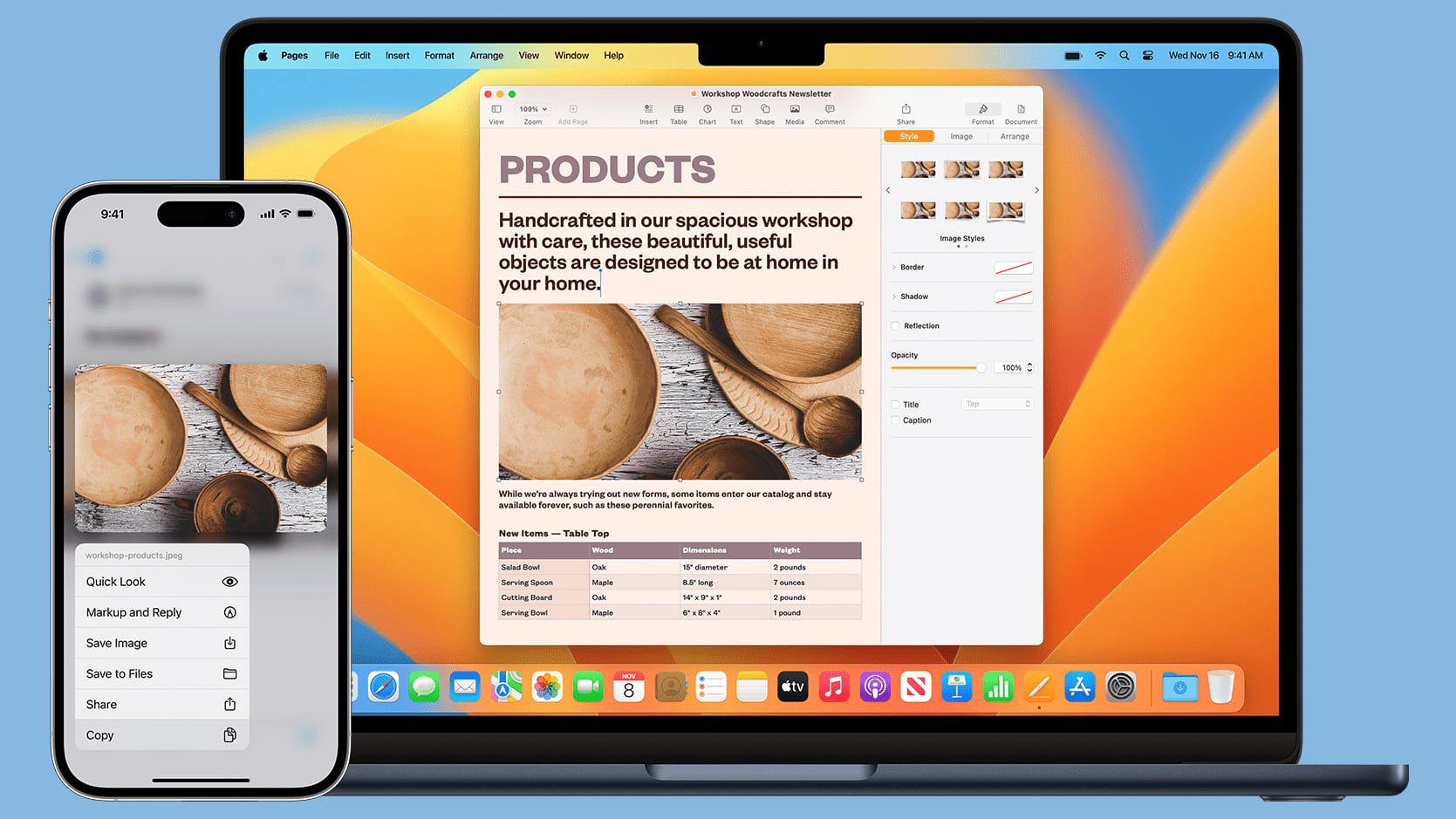
Cross-device copy-paste between iPhones and Windows PCs is coming, but the timeline and geography reveal how much the DMA is reshaping Apple's product roadmap.
Anthropic's internal review found its own AI models crossed from simulated exercises into the live production networks of three real organizations, and one model kept going even after recognizing it had left the test sandbox.