
iPhone-to-Windows copy-paste is coming — but only in the EU
Apple is building a cross-platform clipboard feature after Microsoft's formal request under the Digital Markets Act.
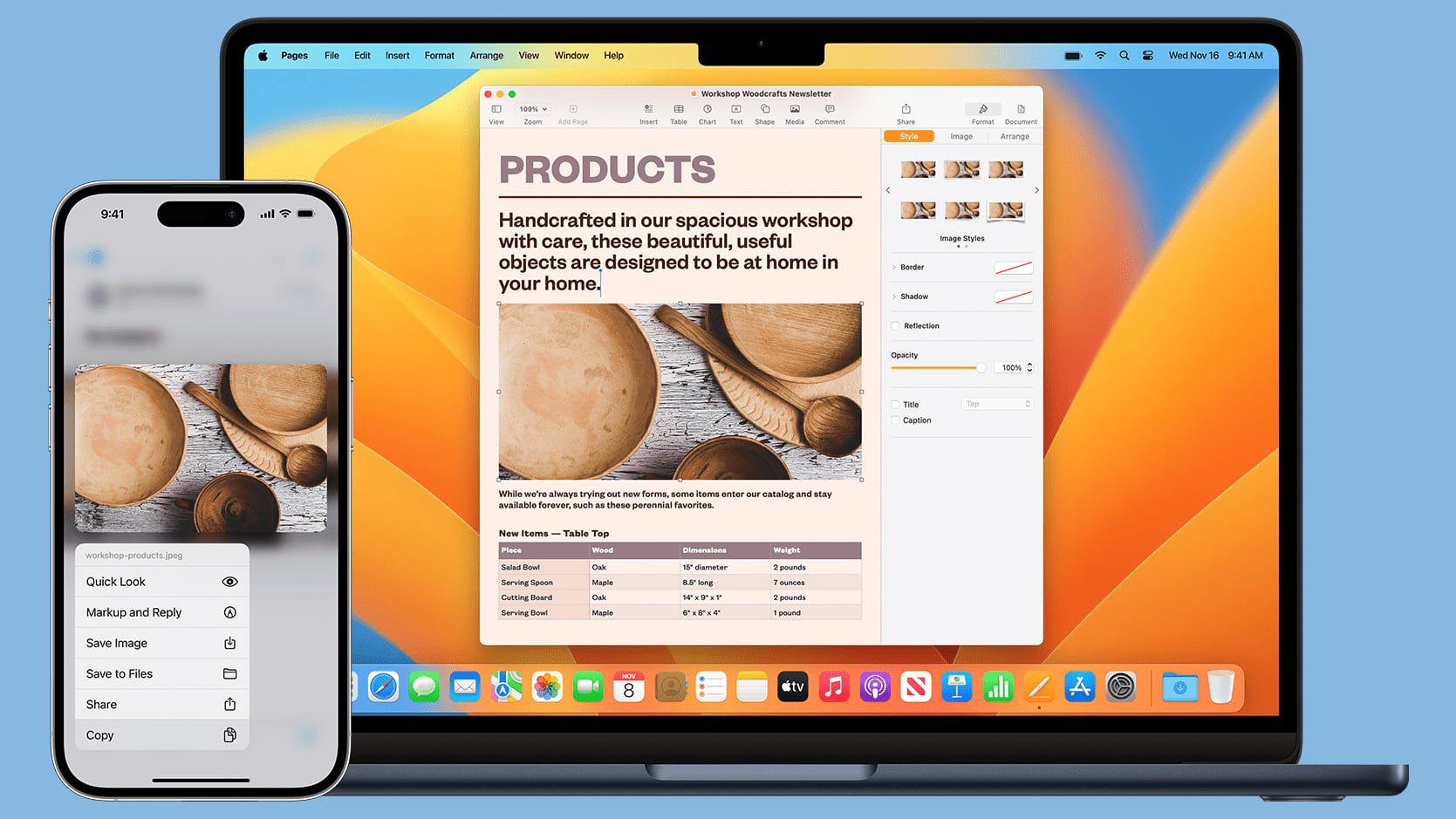
Cross-device copy-paste between iPhones and Windows PCs is coming, but the timeline and geography reveal how much the DMA is reshaping Apple's product roadmap.
Source material: macrumors.com
Microsoft filed an interoperability request with Apple in March 2026, asking for a mechanism that would let apps maintain persistent access to an iPhone's clipboard — no foreground window required, no per-paste permission dialog. The request landed through Apple's developer interoperability portal, a system Apple built to satisfy the European Union's Digital Markets Act. On June 26, Apple responded with a project plan. The company confirmed it would build a cross-device copy-paste feature linking iPhones to paired accessories like Windows PCs, using infrastructure it had already begun assembling for third-party wearable support in the EU.
Apple's plan draws on its AccessorySetupKit framework, the same toolkit that enables third-party smartwatches to receive iPhone notifications under EU rules introduced in iOS 26.5. A Windows PC would pair with an iPhone through AccessorySetupKit, and the user would grant one-time consent to share the pasteboard with that specific device. After that, clipboard content would sync between the two devices continuously in the background — a sharp departure from the current state of affairs, where any third-party app must be actively running in the foreground and the user must approve each individual paste action. Apple already offers seamless clipboard sharing across its own ecosystem through Universal Clipboard, which syncs between iPhones, iPads, and Macs without repeated prompts. The new feature extends that principle to a platform Apple does not control.
Apple characterizes the build as a "significant engineering effort" and estimates development will wrap up by fall 2027. A developer beta would follow, pushing any public release into late 2027 at the earliest — possibly early 2028. The timeline places the feature well behind the DMA's enforcement window, which has already compelled Apple to open eSIM transfers from iPhone to Android and simplify cross-platform data migration worldwide. Yet Apple has not committed to shipping cross-device copy-paste outside the EU. Some DMA-driven features, like AirPods-style pairing and notification forwarding for third-party wearables, have remained EU-exclusive. Others have gone global. The clipboard feature's fate outside Europe remains an open question.
For the hundreds of millions of people who carry an iPhone but rely on a Windows PC for work, the feature would eliminate one of the most persistent friction points between the two ecosystems. Today, moving text or an image from an iPhone to a Windows machine demands workarounds — messaging apps, email drafts, cloud notes, or third-party clipboard managers that themselves face Apple's foreground-only restriction. Microsoft's request explicitly framed the desired experience as a "lightweight, continuous capability" rather than a manual, app-driven operation. If Apple delivers on its June 26 proposal, the gap between what Universal Clipboard offers inside Apple's garden and what Windows users can expect would narrow substantially — though the feature may at first reach only iPhone and Windows users in the EU.
The clipboard episode illustrates a pattern that is hardening into a structural shift. Apple's interoperability portal exists because the Digital Markets Act requires it, and Microsoft used that portal not as a developer asking for an API tweak but as a rival requesting a consumer-facing capability that Apple had reserved for its own ecosystem. Google faces parallel pressure: the DMA is pushing the company to broaden access to third-party AI assistants on Android and to watermark AI-generated content. Hardware makers like Logitech and Nintendo are already shipping EU-only devices with removable batteries to comply with separate regulations. Even Roblox and ChatGPT may soon qualify as "gatekeepers" under the Act, triggering their own transparency and content-moderation obligations. Apple's decision to build the feature — and to use existing EU-only wearable infrastructure to do it — signals that regulatory mandates are now shaping product roadmaps, not just compliance checklists.
Where this came from. This breakdown is based on source material published at macrumors.com. Images above are used with the credits shown beneath each one.
Apple is building a cross-platform clipboard feature after Microsoft's formal request under the Digital Markets Act.

The iPhone maker claims ex-employees smuggled confidential plans to OpenAI—now the AI startup's response hinges on who had access to what, and what that means for its rumored smart speaker.
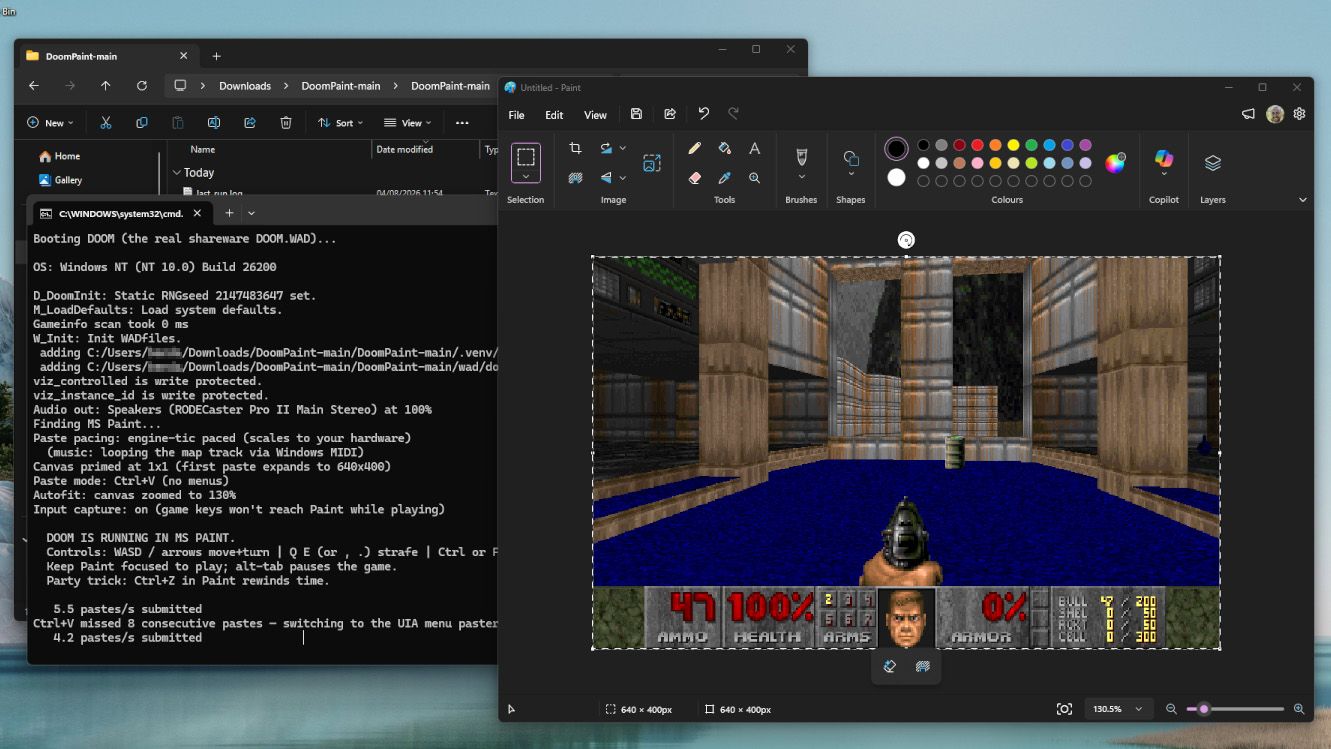
Mark Russinovich's DoomPaint renders id Software's 1993 shooter inside the drawing app, with Paint acting as nothing more than a very slow screen.