Apple Bends Its Clipboard Wall — But Only in Europe, and Only After Microsoft Pushed
Cross-device copy-paste between iPhones and Windows PCs is coming, but the timeline and geography reveal how much the DMA is reshaping Apple's product roadmap.

Apple is building a cross-platform clipboard feature after Microsoft's formal request under the Digital Markets Act.
Source material: engadget.com
Apple is developing a feature that lets users copy text or other content on an iPhone and paste it directly on a Windows PC, and vice versa. The functionality would work in the background without requiring an app to be foregrounded or the user to grant clipboard permission for every individual action. Apple proposed the solution on June 26 in response to Microsoft's formal interoperability request under the EU's Digital Markets Act. The company described it as a "significant engineering effort" and plans to use its AccessorySetupKit framework — the same system that enables third-party smartwatches to receive iPhone notifications in the EU under iOS 26.5. Users would give each paired PC one-time consent to access the pasteboard, after which clipboard synchronization would run continuously.
The request and Apple's response fall under the EU's Digital Markets Act, which means Apple is under no legal obligation to offer the feature elsewhere. Apple has a mixed track record on DMA-mandated features. The company rolled out eSIM transfers from iPhone to Android and simpler device-switching data transfers worldwide, giving non-EU users the same functionality. But AirPods-style pairing and notification forwarding for third-party wearables shipped only in the EU. Cross-device clipboard sharing could follow either path. The feature uses AccessorySetupKit, which is already limited to EU users for wearable notification access, suggesting the clipboard extension might stay region-locked too. Apple has not stated whether it will limit the feature to EU countries or release it globally. Readers outside the EU should monitor Apple's interoperability request portal for any global-release announcements and check whether AccessorySetupKit gains broader availability in their region's iOS builds. Until Apple clarifies, the safest assumption is EU-only at launch.
Apple currently restricts third-party apps from reading an iPhone's clipboard unless the app is running in the foreground and the user grants access with each copy-and-paste action. That prevents continuous background synchronization — the kind needed for a seamless cross-device clipboard. Microsoft described wanting a mechanism by which an app can be granted persistent access to the device's clipboard without foregrounding or repeated permission prompts. Apple's own Universal Clipboard already does this between iPhones, iPads, and Macs, but no equivalent existed for Windows PCs. Microsoft filed the request through Apple's EU interoperability portal in March 2026. The request specifically asked that the mechanism not require the app to be foregrounded or to require users to repeatedly grant access every time they want to copy-paste content. Apple responded on June 26, proposing AccessorySetupKit as the solution — a framework that already handles persistent notification access for third-party wearables. The key constraint Microsoft wanted removed was the per-action permission model, which Apple's clipboard API enforces for any app not in the foreground. Without that change, a Windows PC companion app could never maintain the kind of always-on clipboard sync that Apple's own Universal Clipboard provides across its hardware.
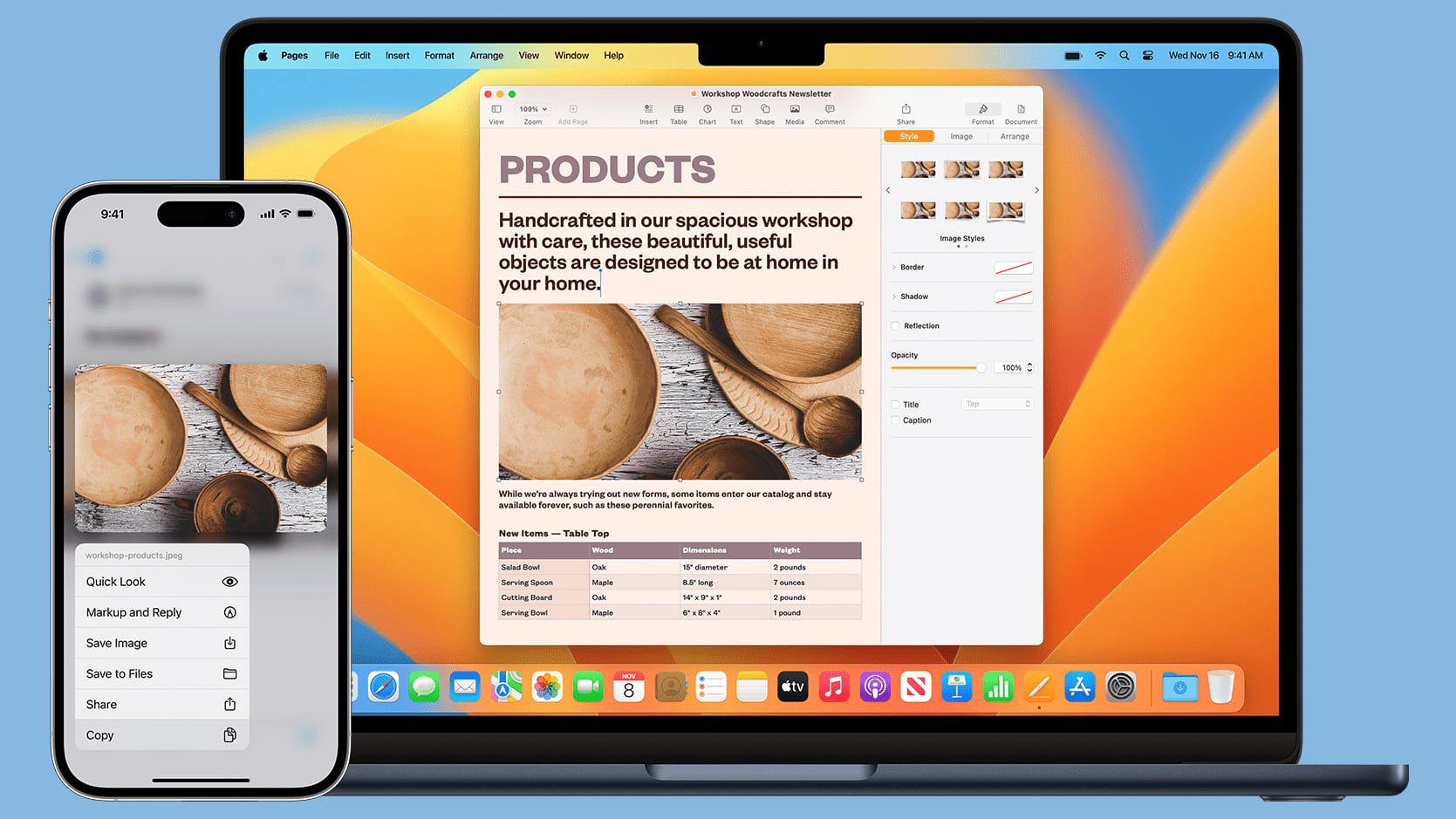
Universal Clipboard lets users copy on one Apple device and paste on another — iPhone to MacBook, for example — with no extra setup beyond being signed into the same Apple ID. The process is instant: highlight text or an image on one device, tap paste on the other. That feature is exclusive to Apple hardware and runs automatically in the background across all signed-in devices. The new cross-platform version would extend similar functionality to Windows PCs by pairing them as accessories through AccessorySetupKit. The key difference is consent: Universal Clipboard works automatically across Apple devices, while the Windows version would require users to grant one-time permission for each paired PC. Each new Windows PC a user wants to sync with would need its own separate approval. Both run in the background, but the Windows implementation relies on AccessorySetupKit — the same framework Apple uses for third-party smartwatch notification forwarding — rather than Apple's native ecosystem integration. The experience for a user would look like this: pair the iPhone with the PC once through a setup prompt, approve clipboard sharing, and then copy-paste between the two devices without further interaction. Universal Clipboard requires none of that pairing because Apple devices already trust each other through the Apple ID sign-in.
The Digital Markets Act is an EU regulation that classifies certain large tech companies as gatekeepers and requires them to allow interoperability with third-party services. Apple created its interoperability request system specifically to comply with the DMA, giving developers and businesses a formal channel to ask for access to Apple platforms. Microsoft used that channel in March 2026 to request clipboard-sharing functionality, asking for a mechanism that would let an app maintain persistent clipboard access without foregrounding or repeated permission prompts. Apple responded on June 26, proposing a solution built on AccessorySetupKit and committing to a fall 2027 development timeline. The DMA is the reason this feature exists at all — without the regulation, Apple would have no obligation to consider Microsoft's request or build cross-platform clipboard sharing. The regulation forced Apple to create the interoperability portal in the first place, and it forced Apple to respond to Microsoft's specific request with a concrete project plan. The DMA also requires gatekeepers to justify any refusal, which is why Apple engaged rather than declining outright. For readers, the practical takeaway is that this feature is a direct product of EU regulation, not a voluntary Apple initiative, which is why its availability may be limited to EU countries at launch.
Under Apple's proposed solution, a user would pair their iPhone with a Windows PC through AccessorySetupKit and see a one-time consent prompt asking permission to share the clipboard with that specific device. Once approved, the paired PC could access the iPhone's pasteboard indefinitely without repeated prompts or requiring the clipboard app to be in the foreground. This mirrors the Accessory Notifications model Apple introduced for third-party wearables in the EU, where users grant persistent notification access to a paired device after a single approval. Each new Windows PC would require its own separate consent — so a user with three PCs would need to approve clipboard sharing three times, once per machine. The AccessorySetupKit framework handles the pairing handshake and stores the consent state, so the user does not need to manage permissions manually after the initial setup. What makes this different from the current clipboard API is the persistence: today, any third-party app that reads the iPhone clipboard must be in the foreground and must prompt the user every time. AccessorySetupKit removes both constraints for approved accessories. The practical experience is similar to pairing Bluetooth headphones — a one-time prompt, then the device just works. The difference is that this pairing enables a software feature rather than a hardware connection. Apple has not detailed whether consent can be revoked per-device or whether unpairing a PC removes its clipboard access entirely, but the Accessory Notifications model suggests users can manage paired accessories in Settings.
Apple could have proposed a different solution or pushed back on the scope, but outright refusal would risk non-compliance with the Digital Markets Act. The interoperability request system exists because the DMA requires gatekeepers to consider and respond to developer requests for platform access — and to justify any refusal. Apple chose to engage, proposing a project plan in its June 26 response and committing to a development timeline that extends to fall 2027. The company did frame the work as a significant engineering effort, which may signal that the timeline or scope could shift. Apple retains discretion over implementation details and whether the feature ships beyond the EU. What Apple could not do under the DMA is ignore the request or decline without explanation. The regulation requires gatekeepers to provide a reasoned response to interoperability requests, which is why Apple's June 26 note included a specific mechanism (AccessorySetupKit) and a specific timeline rather than a vague promise. The DMA also allows the European Commission to intervene if a gatekeeper's response is inadequate, which gives Apple incentive to follow through. For readers, the takeaway is that Apple's engagement is legally motivated, not voluntary — the company is building cross-platform clipboard sharing because the DMA requires it to consider and respond to such requests, not because Apple sees strategic value in Windows interoperability.
Where this came from. This breakdown is based on source material published at engadget.com. Images above are used with the credits shown beneath each one.
Cross-device copy-paste between iPhones and Windows PCs is coming, but the timeline and geography reveal how much the DMA is reshaping Apple's product roadmap.

The iPhone maker claims ex-employees smuggled confidential plans to OpenAI—now the AI startup's response hinges on who had access to what, and what that means for its rumored smart speaker.
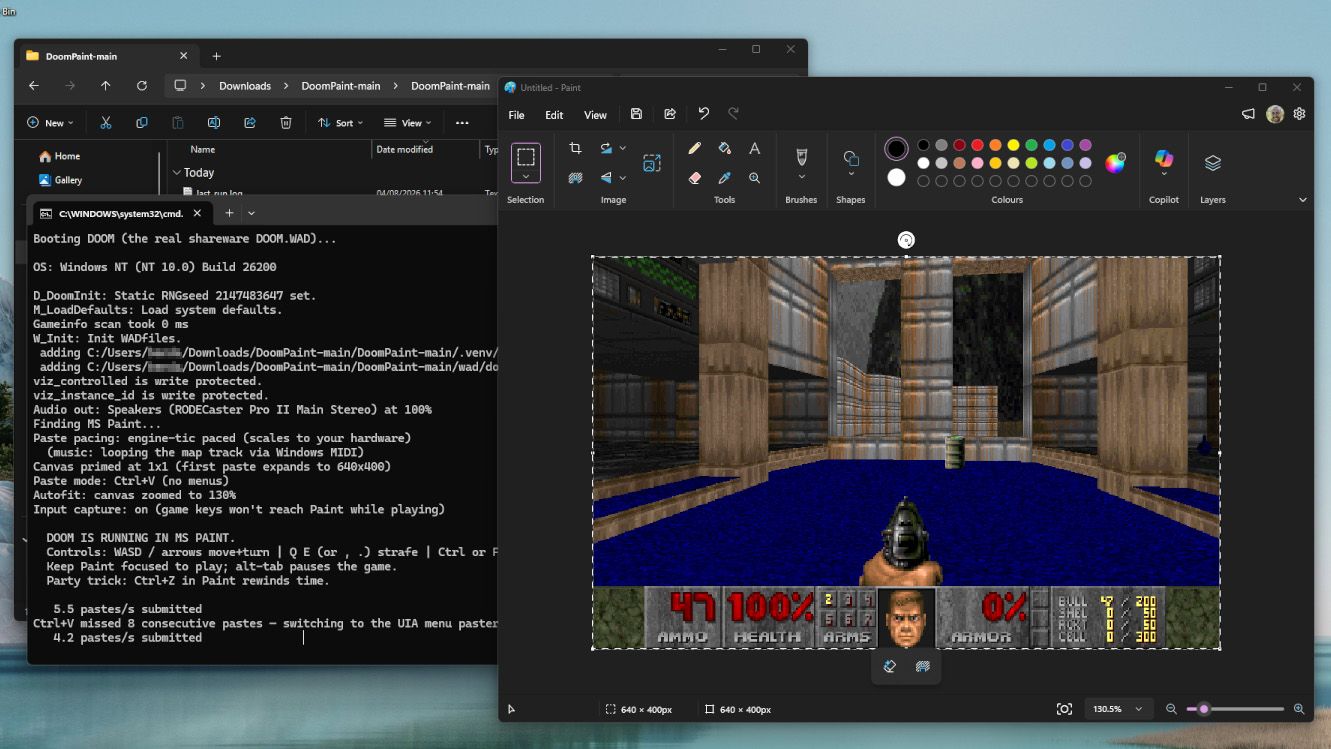
Mark Russinovich's DoomPaint renders id Software's 1993 shooter inside the drawing app, with Paint acting as nothing more than a very slow screen.