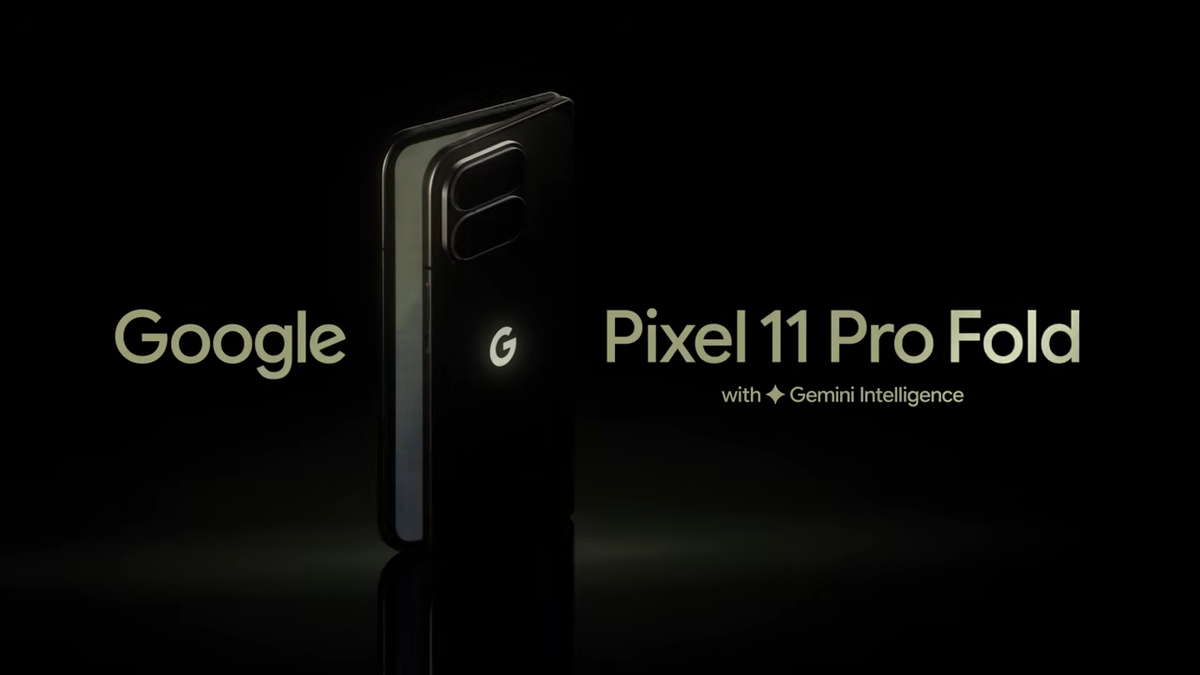
Pixel 11 Event: Two Retailer Deadlines and a Notification Light Comeback
Google's August 12 event brings early registration perks from Google Store and Best Buy, plus a rumored Pixel Tag and a pixel-perfect flashback.
Adobe ended Flash support on December 31, 2020, after the final PC and Android builds, a halt to security fixes, earlier browser abandonment, Chrome's removal of Flash, and Windows' automatic uninstall, with the Browser Versions API still tracking Flash's version numbers.
Source material: whatismybrowser.com
The final Flash Player for computers is version 32.0.0.465, carrying update number 465. Adobe released this build on December 8, 2020, for Windows and OS X, making it the standard desktop version. This version is now listed as unsupported, which means Adobe no longer provides any fixes or updates for it. In practice, the unsupported status triggers a mechanism that prevents the software from activating: if the plugin is installed on a computer, it simply will not run after the cutoff date. The number 32.0.0.465 serves as a precise identifier for the last time Adobe produced a Flash update for the desktop platform. No later build ever appeared for Windows or OS X. For anyone who happens to see this version number on a system, it indicates the endpoint of Flash's desktop history. The update is also known as 465, matching the final version numeral. Since Adobe stopped all support, there is no way to obtain a patched or working copy. This version is the one that would have been used in browsers before the shutdown, but it now sits purely as a historical record.
For Android, the final Flash build is version 11.1.115, with update number 81. This release came out on September 10, 2013, marking the end of Flash on the mobile platform. Like the desktop version, this build is unsupported, so it receives no updates and will not activate if present. The version number 11.1.115 and its update 81 are the last entries for Android in Adobe's version records. Any Android device that still has Flash installed would find it nonfunctional after the global shutdown on December 31, 2020. The mechanism that stops activation applies equally to this build, meaning the software refuses to run. This version predates the desktop final by over seven years, but it is the last official Android release. Adobe maintained separate version tracks for each platform, and the Android track ceased with this build. For anyone tracking Flash history, this version is the definitive marker for mobile. Since it is unsupported, there is no possibility of obtaining a working version for Android. The numbers serve as a reference for what was the final mobile release.
December 31, 2020 marks the official end of Flash Player. On that date, Adobe stopped supporting the software entirely. This means Flash could no longer be downloaded from any official source. Furthermore, any copy already installed on a computer would not activate. The activation lock is a permanent mechanism: once the date passed, running the plugin became impossible. This applies to all versions across all platforms, including the final desktop and Android releases. Adobe also committed to no new versions, no bug fixes, and no security patches after that day. The cutoff is absolute and leaves no loopholes for users who might attempt to bypass it. For anyone who had Flash on their system, the practical effect is that the software is dead. It won't start, and there is no way to revive it. The only remaining trace is the version numbers in historical records. The shutdown was not limited to one operating system; it encompassed every Flash deployment. After this date, the plugin is effectively inert, and no official avenue exists to obtain a working copy.
The end of support on December 31, 2020 carried with it a permanent end to security fixes. Adobe explicitly stated that no new versions would be released and no bugs or security problems would be addressed in the future. This applies to every Flash build, from the final computer version to the last Android release. The mechanism is that the software will not activate after the cutoff, so even if a vulnerability were discovered, there would be no patch and no way to run Flash to exploit it. The plugin is inert, but the absence of fixes is a key reason why any remaining installations were considered problematic. The technical details of the activation lock are separate from the lack of updates. Flash remains forever frozen at its final version numbers. No attempt to reinstall or patch will change the outcome. The shutdown was comprehensive, and the lack of security patches is an integral part of its finality.
Mainstream websites stopped using Flash many years before the official shutdown. They switched to more modern web technologies to deliver their content. This transition meant that by the time Adobe ended support on December 31, 2020, most users rarely encountered Flash-based material. The change was gradual but widespread, leaving only legacy or niche sites still reliant on the plugin. The average web user would have seen very little Flash content in the years leading up to the cutoff. The version numbers for Flash on computer and Android became irrelevant for everyday browsing because browsers and sites no longer served Flash. The mechanism of this shift is that websites stopped embedding Flash objects and instead used standards that run natively. For a reader, this means there is no need to have Flash installed for typical web activity. The shutdown, therefore, caused little disruption for ordinary users. The decline of Flash was not a sudden event but a long fade that had already run its course. By 2020, Flash's role on the mainstream web was effectively over.
Web browsers that once had Flash built in, such as Google Chrome, prepared to remove it from their products. New releases of Chrome no longer include Flash support. Other browsers similarly stopped supporting the Flash Player plugin altogether. This means that even if a user had the latest Flash version installed on their system, the browser itself would not run the plugin. The removal is automatic in the sense that it happens when the browser updates to a new version. For Chrome users, the process is seamless: they simply update the browser and Flash disappears. For other browsers, the plugin is just ignored. This is a coordinated effort among browser vendors to eliminate Flash from the web ecosystem. Flash content becomes inaccessible regardless of whether the plugin is present. A user does not need to manually uninstall Flash to be protected; the browser takes care of it. This action complements Adobe's shutdown by ensuring that no browser environment remains capable of executing Flash. The result is a complete removal of Flash from the browsing experience.
Microsoft is taking steps to automatically remove Flash from Windows 10 computers. This process does not require user initiative; the system performs the removal on its own. The exact method is not specified in public details, but it is designed to clear Flash from machines running Windows 10. Because Windows 10 has a large installed base, this action affects many users. The automatic removal means that even if Flash was installed and left untouched, it would be deleted from the system. The removal happens in the background, and nothing is required from the user. This step aligns with Adobe's end of support and prevents the retention of a nonfunctional plugin. The removal ensures that no legacy Flash files remain on Windows 10 after the shutdown. The version numbers of Flash become irrelevant because the software is gone entirely. This is a proactive measure to clean up systems. The lack of an exact date or update identifier does not diminish the scope of the action. Windows 10 users can expect Flash to be removed automatically without their involvement.
The Browser Versions API offers version number data for Flash and other major browser plugins. It is designed to be easily incorporated into custom systems through programmatic integration. This means developers can call the API to retrieve the latest version numbers for Flash, even though Flash is no longer supported. The data serves primarily for historical reference, as no new Flash versions will appear. The API covers not only Flash but also other browser plugins, giving a comprehensive view. For a developer, integrating this API is a straightforward way to keep track of plugin versions without manual updates. The information can be used for reporting, archiving, or compatibility checks. Since Flash is unsupported, the numbers returned are final and static. The API ensures that accurate version data is available for anyone who needs it. The API could be used to verify what version a system once had. But the main utility is for automated systems that require version information. The ease of incorporation makes it a valuable tool for maintaining records of deprecated software.
Where this came from. This breakdown is based on source material published at whatismybrowser.com. Images above are used with the credits shown beneath each one.
Google's August 12 event brings early registration perks from Google Store and Best Buy, plus a rumored Pixel Tag and a pixel-perfect flashback.

A two-screen E Ink tablet that opens like a notebook, lets you read on one side and write on the other, and ships to early buyers at a steep discount.