From Orwell to The Crew: How Digital Ownership Keeps Getting Revoked
The 2009 Kindle deletion of 1984 was a warning; since then, lawsuits, settlements, and corporate policies have made clear that buying digital often means renting.
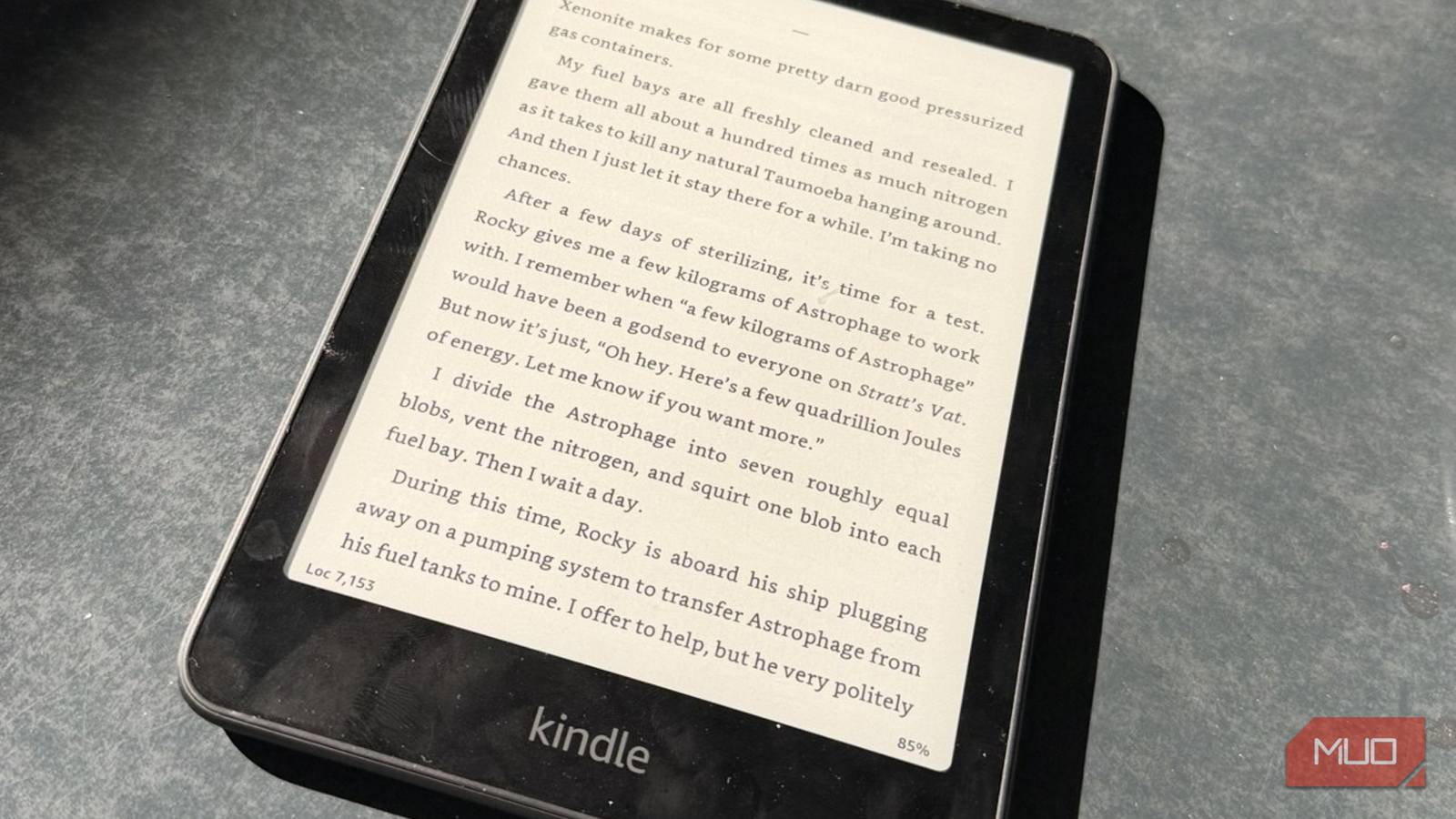
On July 17, 2009, 17-year-old Justin Gawronski turned on his Kindle to find his copy of 1984 gone. He had been reading it the way teachers want, highlighting passages and typing notes against them. Amazon refunded the ninety-nine cents he had paid for the novel, but his six weeks of annotations remained in a separate file, now pointing at locations in a text that no longer existed on the device. Close to two thousand other Kindle owners lost the same book that day, along with Animal Farm. The refund covered the purchase price; there was no mechanism to compensate for the lost work. Gawronski later told reporters the irony of losing 1984 was not the point. The point was that a book he had bought could be taken back, and that his own marginalia, which took hours to produce, had been left behind as useless data.
A copyright boundary that differed by country
Date: January 1950
Company: MobileReference
Legal: unlicensed edition
MobileReference, a small operation that uploaded texts to the Kindle Store, assumed Orwell's novels were public domain. In Australia and Canada, where protection ran for the author's life plus fifty years, they were — Orwell died in January 1950. In the United States, where terms were considerably longer, they were not. Once the rights holder noticed the listings, Amazon had an unlicensed edition in its catalog and on customers' devices. A physical bookshop in the same situation could only pull the books from the shelves. Amazon could do more because of a feature built into every Kindle. The legal fine print mattered: the seller had not verified copyright status across jurisdictions, and the buyer had no way to check. The incident became a lesson in how digital distribution complicates territorial copyright, a problem that has not gone away with e-book stores.
Whispernet's two-way pipe
Company: Amazon
Legal: none
Every original Kindle shipped with free cellular service called Whispernet, a two-way pipe that made the device feel like a trick: you could buy a novel on a park bench and start reading within a minute. The connection had never been one-directional, and Amazon used it on July 17, 2009, to send a delete command down to devices, removing unlicensed copies of 1984 and Animal Farm from close to two thousand owners' screens. A reader who switched on the Kindle that morning found the book gone and a ninety-nine-cent refund in its place, with no explanation beyond the act itself. The books had arrived through a small operation called MobileReference, which had uploaded them on the assumption that Orwell was public domain; in the U.S., he was not, so Amazon had an unlicensed edition sitting in its catalog and on devices. A bookshop discovering the same problem could only stop selling the book, but Amazon could reach in and take it back because Whispernet's convenience had made nobody suspicious of a system that could receive updates. The Kindle was a screen tethered to a store that could reach in and take things back.
The permanent copy broken
Company: Amazon
Legal: permanent copy right
The purchase of a Kindle book in 2009 came with a non-exclusive right to keep a permanent copy of the content, a promise that Amazon's remote deletion broke. The refund covered the ninety-nine cents but not the work of reading; for Justin Gawronski, a seventeen-year-old with a summer assignment, the loss was six weeks of highlighted passages and typed notes. His annotations had been stored in a file separate from the book itself, so the deletion left them intact and useless—a set of markers keyed to locations in a text no longer on the device. There was no mechanism by which the refund could cover that labor. Gawronski and Antoine Bruguier, a Silicon Valley engineer who lost the same book, sued in federal court on July 30, bringing claims under the Computer Fraud and Abuse Act and conversion, the old tort of taking someone's property. The contradiction between the promise and the act fueled the outrage that followed, and it took a lawsuit, an apology from Bezos, and a $150,000 settlement to address.
Bezos's apology and the 2000 DVD pricing test
Date: July 23, 2009
Company: Amazon
Quantity: 6,896 customers
Legal: none
On July 23, 2009, a week before the lawsuit, Jeff Bezos posted to the Kindle customer forum under his own name. He signed off "With deep apology, Jeff." He called Amazon's solution "stupid, thoughtless, and painfully out of line with our principles." This was not Bezos's first public regret. In September 2000, Amazon had been caught charging different customers different prices for the same DVDs. The company refunded 6,896 customers and issued a statement in which Bezos called the test a mistake he regretted. The DVD episode involved price discrimination, not property removal, but both times Bezos acknowledged the error in his own voice. The 2009 apology stood out because it used the word "illegally sold copies," admitting that the burden lay with Amazon, not with the customers who had bought books in good faith.
The settlement that produced a binding promise
Date: September 2009
Company: Amazon
Quantity: $150,000
Legal: no remote deletion unless
The lawsuit settled in September 2009 for $150,000, with the plaintiffs' firm directing its share to a literacy charity. Affected customers were offered the book back or thirty dollars. More importantly, Amazon accepted a restriction on its own conduct: it would not remotely delete or modify purchased Kindle books unless the customer consented, the customer sought a refund, a court ordered it, or the removal was necessary to deal with malware. That promise about deletion has held for seventeen years. But it says nothing about retiring the download option, pushing a revised edition, or disabling an account. Those turned out to be the paths that mattered. The settlement created a floor, not a ceiling. Amazon promised not to repeat the specific act that had caused the scandal, while leaving other ways to erode ownership untouched.
Puffin's Dahl replacement that needed no deletion
Date: early 2023
Company: Puffin
Legal: none
In early 2023, Puffin's revised editions of Roald Dahl's novels reached Kindles and replaced the originals on devices that already held them. No deletion command was sent; a routine content update swapped the text. Readers who had purchased Charlie and the Chocolate Factory or Matilda found their old copies gone, replaced by versions with altered language. The move required no violation of the 2009 settlement because the settlement only prohibited remote deletion. A content update was not a deletion. It was a substitution. The Dahl episode showed that a publisher could change what a reader had paid for without Amazon lifting a finger. The books were not returned to the store; they were silently replaced. The reader's prior copy ceased to exist, and the only record of the change was a version number, not a notice.
Ubisoft revoking The Crew, disc included
Date: March 2024
Company: Ubisoft
Legal: license revocation
In March 2024, Ubisoft shut down the servers for the racing game The Crew, then revoked players' licenses outright. The game was pulled from libraries, including those of people who had bought it on a disc. The disc itself still sat on a shelf, but the game required a server to authenticate, and with the server gone, the license became worthless. The revocation extended to physical copies, proving that ownership of a disc no longer meant ownership of the game. Unlike the Kindle deletion, there was no apology or settlement. Ubisoft had stated in its terms that licenses were revocable, and the shutdown was part of a broader business decision. The event became a clear example of how the 2009 lesson had to be relearned in a different medium, where the file was never on the user's device in the first place.
The end of Download & Transfer via USB
Date: February 26, 2025
Company: Amazon
Legal: none
On February 26, 2025, Amazon retired "Download & Transfer via USB," the option that allowed Kindle readers to keep a local copy of a purchased book on a hard drive. This feature had been a workaround for the very concern the 2009 deletion raised: it gave buyers a backup outside Amazon's control. With its removal, the only way to read a purchased book is through a device or app that remains connected to Amazon's ecosystem. If an account is closed, the books are effectively gone. The retirement did not violate the 2009 promise because no deletion occurred; the future copy simply did not exist. Amazon framed it as a security measure, but it eliminated the last practical way to own a file. Readers who had relied on USB backup had asked to keep the option; Amazon removed it anyway.
Where this came from. This breakdown is based on source material published at
makeuseof.com.
Images above are used with the credits shown beneath each one.