From Orwell to The Crew: How Digital Ownership Keeps Getting Revoked
The 2009 Kindle deletion of 1984 was a warning; since then, lawsuits, settlements, and corporate policies have made clear that buying digital often means renting.
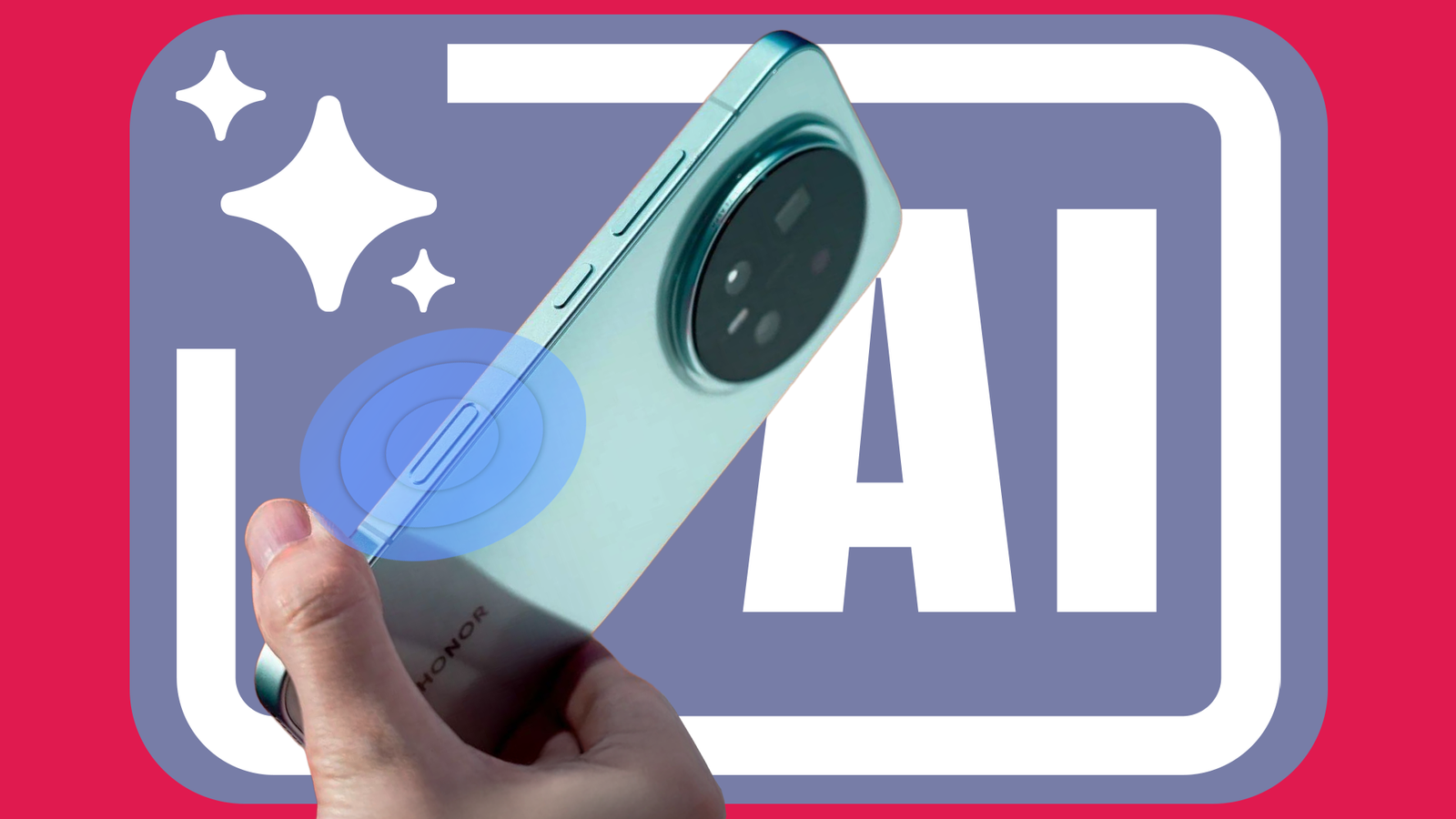
On-device processing is a promise with a half-life. Encryption stops at the glass. Your weaknesses become training data. And the surveillance follows you everywhere you carry the device.
Source material: androidpolice.com
When Google launched Gemini Nano on the Pixel 8 Pro in 2023, it told users sensitive data physically could not leave the phone. Two years later, the company rolled out Private AI Compute, a system that routes content to remote servers for heavier processing and returns results to the device. Google markets it with "the same user security and privacy assurances of on-device processing," but it operates like any other cloud platform. The Federal Trade Commission handles deceptive business practices, yet it cannot monitor every company's code minute by minute. Your data may have already left your device before any intervention. On-device processing is not a binding commitment — manufacturers update their software whenever they choose, and the architecture you agreed to at purchase can vanish in a silent overnight patch.
End-to-end encryption scrambles messages while they travel from your phone to the recipient. The moment your device decrypts them, the content becomes plain text — and a screen-reading AI sees exactly what you see. Microsoft demonstrated this risk when it launched Recall with Copilot+ computers in May 2025. The feature took repeated screenshots so the company's AI could index them. It captured messages, passwords, banking details, and medical records without discrimination. Security researchers found the database storing these images was poorly protected. After public backlash, Microsoft made Recall opt-in. The episode revealed a fundamental gap: encryption protects data in transit and at rest, but nothing stops a privileged local process from reading what appears on your display once it has been rendered for your eyes.
Gemini on Android has documented permission to access call logs, contacts, message history, and other system-level data. That access was exploited in 2025 when Noma Security discovered GeminiJack, an attack where a poisoned Google Docs entry, calendar invite, or email could instruct Gemini to exfiltrate data without the user touching anything. Google patched the vulnerability but continued letting its AI reach sensitive information even when users toggled Gemini Apps Activity off. Meanwhile, the US government forced Anthropic to pull its Claude Mythos Preview offline in June 2026 after the company spent months warning the model was too dangerous in the cybersecurity domain to release without serious restriction. Amazon, one of Anthropic's investors, then used its own Fable 5 model to show a software vulnerability being exploited.
Some AI providers reserve the right to use captured screen content, documents, and prompts to improve future models. That permission lives in the terms of service most users accept without reading, and it means anything a screen-aware AI captures could feed a training pipeline you never intended to join. In November 2025, plaintiffs alleged that Figma had done exactly this — using customer design files to train its generative AI tools after years of assuring users their data remained private. The resulting AI allowed competitors with accounts on the platform to query information derived from those files, including rivals who never had access to the originals. Figma's reported clients include Alphabet, Microsoft, and Netflix, so the files in question were not hobbyist sketches. Once your internal work enters that pipeline, you lose control over who benefits from it. You can limit the blast radius: read the permission grant before you accept it, and disable AI features where the option exists. Google lets you uninstall the Gemini app or turn off Gemini in Messages, though the toggles are scattered across multiple menus; Samsung Galaxy users get a single Galaxy AI settings screen.
Android's Accessibility Service has existed since 2009, originally built for screen readers and assistive tools. It can read everything on your screen, detect app changes, access your clipboard, and perform actions on your behalf — and Android does not let you grant screen-reading access without those broader privileges. PromptSpy, the first Android malware to weaponize generative AI, masquerades as a JPMorgan Chase app. It sends on-screen content to Gemini, uses the AI's instructions to stay hidden, steals your lock screen PIN, records your screen, and hands attackers remote control of your device. The malware exploits the same permissions legitimate screen-aware AI requires. Granting those permissions to a trusted app does not prevent a malicious one from requesting the identical access and using it for surveillance.
Americans pick up their phones 186 times a day and receive an average of 46 push notifications daily; Gen Z users receive 181. Traditional advertising guesses at your interests from browsing history and app installs. A screen-aware AI sees the full context — the conversations you have, the products you search for, the moods your messages betray. It can build a behavioral profile that makes conventional tracking look quaint, and it may even make suggestions based on your feelings over time. Personalized ads already outnumber what most users want, and AI makes the targeting sharper without adding any user-facing control. The result is not better recommendations but a more detailed trail of your habits, available to whichever platform holds the access token. To reduce exposure, uninstall the Gemini app or shut Gemini out of Messages; on Samsung Galaxy devices, Galaxy AI settings sit in one menu, though Google's options are scattered across multiple.
Forum posts have long echoed a specific anxiety: people feel their phone is reading their minds. The pattern is consistent — someone thinks about a product, opens TikTok or Instagram minutes later, and sees a related post. Those coincidences have happened too many times for many users to dismiss. Coupled with the long-running suspicion that phones eavesdrop through passive listening, constant screen access by AI sharpens the sensation rather than easing it. Your screen content feeds models that shape what appears in your feeds. The coincidence between thought and targeted content becomes less mysterious and more mechanical, which does not make it less unsettling. You can disable Gemini inside Messages, remove the Gemini app entirely, or turn off Galaxy AI on Samsung devices — but the settings are scattered across multiple menus, and most people never find them.
Where this came from. This breakdown is based on source material published at androidpolice.com. Images above are used with the credits shown beneath each one.