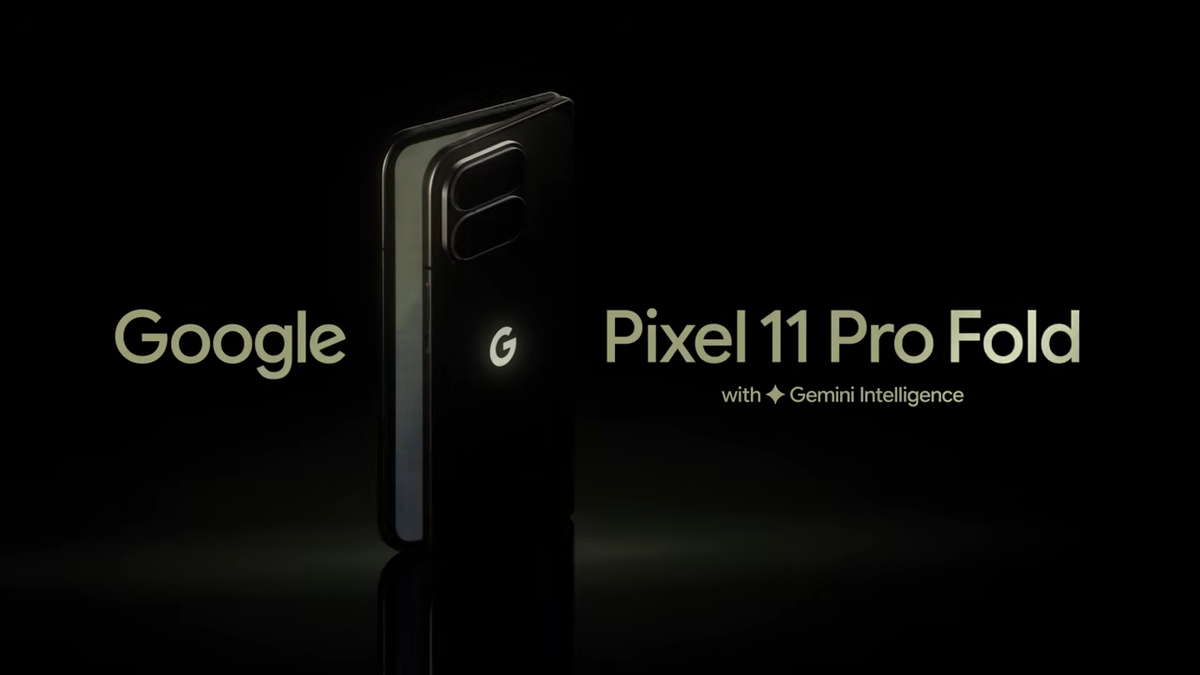
Pixel 11 Event: Two Retailer Deadlines and a Notification Light Comeback
Google's August 12 event brings early registration perks from Google Store and Best Buy, plus a rumored Pixel Tag and a pixel-perfect flashback.
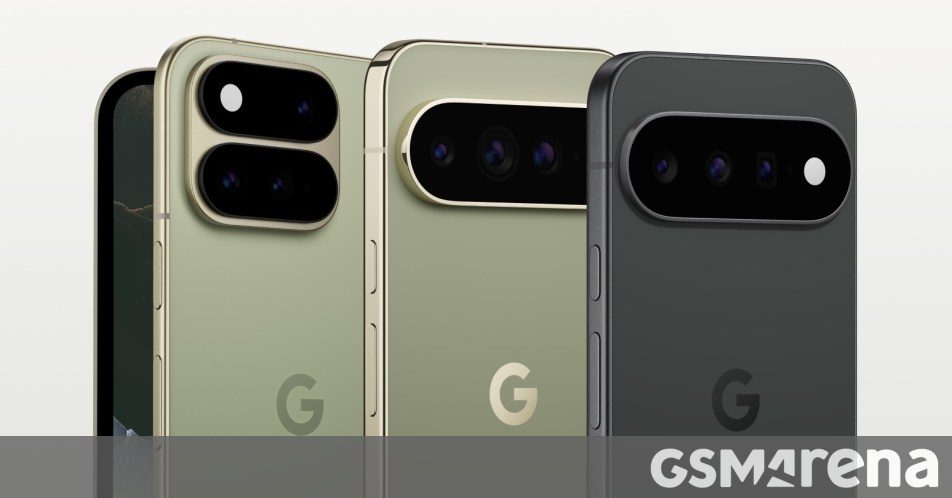
Google's new Pixel 11 lineup commits to seven years of spare parts and updates, but the real cost-benefit analysis lies in choosing between the standard Pro and the $900-more-expensive Fold.
Source material: gsmarena.com
At the Made by Google event, Google made a quiet commitment that changes the long-term calculus of buying a Pixel. The company announced that the Pixel 11 series will receive seven years of spare parts support, a promise that extends to every market where the phones are sold. For users, this means the most failure-prone components—the battery, which can dramatically degrade after a few years, and the display—can be officially replaced well into the device's life.
This is more than a repair program; it's a declaration that the device is designed to outlast the typical two-year upgrade cycle. The strategy aligns with the ongoing seven years of Android OS and security updates also confirmed for the lineup. The practical impact is that the total cost of ownership for a Pixel 11 is no longer just the sticker price, but also the reasonable expectation that a new battery can extend the phone's usable life without a full replacement.
The decision between the Pixel 11 Pro and the Pixel 11 Pro Fold is less about capability and more about a lifestyle compromise. The standard Pro offers a slightly better battery life in typical use—over 30 hours on a full charge compared to the Fold's 24 hours—due to its single 6.3-inch display and 4850mAh cell. The Fold, with its 8-inch inner screen, demands more power to drive the larger panel and the dual 10MP cameras on its exterior and interior.
The camera systems also diverge significantly. The Pro features a 50MP main, 48MP ultrawide, and 48MP 5x telephoto setup, capable of 120x Pro Zoom and 8K video recording. The Fold, despite its higher price, steps down to a 48MP main, 10.5MP ultrawide, and 10.8MP telephoto sensors, limited to 30x Super Zoom. The tradeoff is evident: you are paying more for the foldable form factor and screen real estate, but sacrificing the pinnacle of Google's photographic hardware.
The Pixel 11 lineup consists of four models: Pixel 11, Pixel 11 Pro, Pixel 11 Pro XL, and Pixel 11 Pro Fold. All models are guaranteed 7 years of spare parts availability and 7 years of Android OS and security updates. Spare parts will be available in every market where the series is sold, including batteries and displays, ensuring repairability over time.
Away from the hardware, Google appears to be testing a software change that could redefine how users interact with the Pixel lock screen. Code strings discovered in Android 17 QPR2 Beta 2 reference an "App Launch Shortcut" feature. This would allow users to launch third-party applications directly from the lock screen, bypassing the current limitation which restricts quick actions to system toggles like the flashlight, DND, and the camera.
The discovery, made by Android Authority in its teardown, suggests Google is finally catching up to Samsung, which already allows app shortcuts on its lock screens. The strings indicate users can create up to a limited number of these shortcuts, configurable by long-pressing an existing one. While the exact number remains unspecified in the code, this feature would be a significant upgrade over the static widgets or basic flash toggle currently offered, signaling a more interactive and personalized lock screen for Pixel users.
Where this came from. This breakdown is based on source material published at gsmarena.com. Images above are used with the credits shown beneath each one.
Google's August 12 event brings early registration perks from Google Store and Best Buy, plus a rumored Pixel Tag and a pixel-perfect flashback.
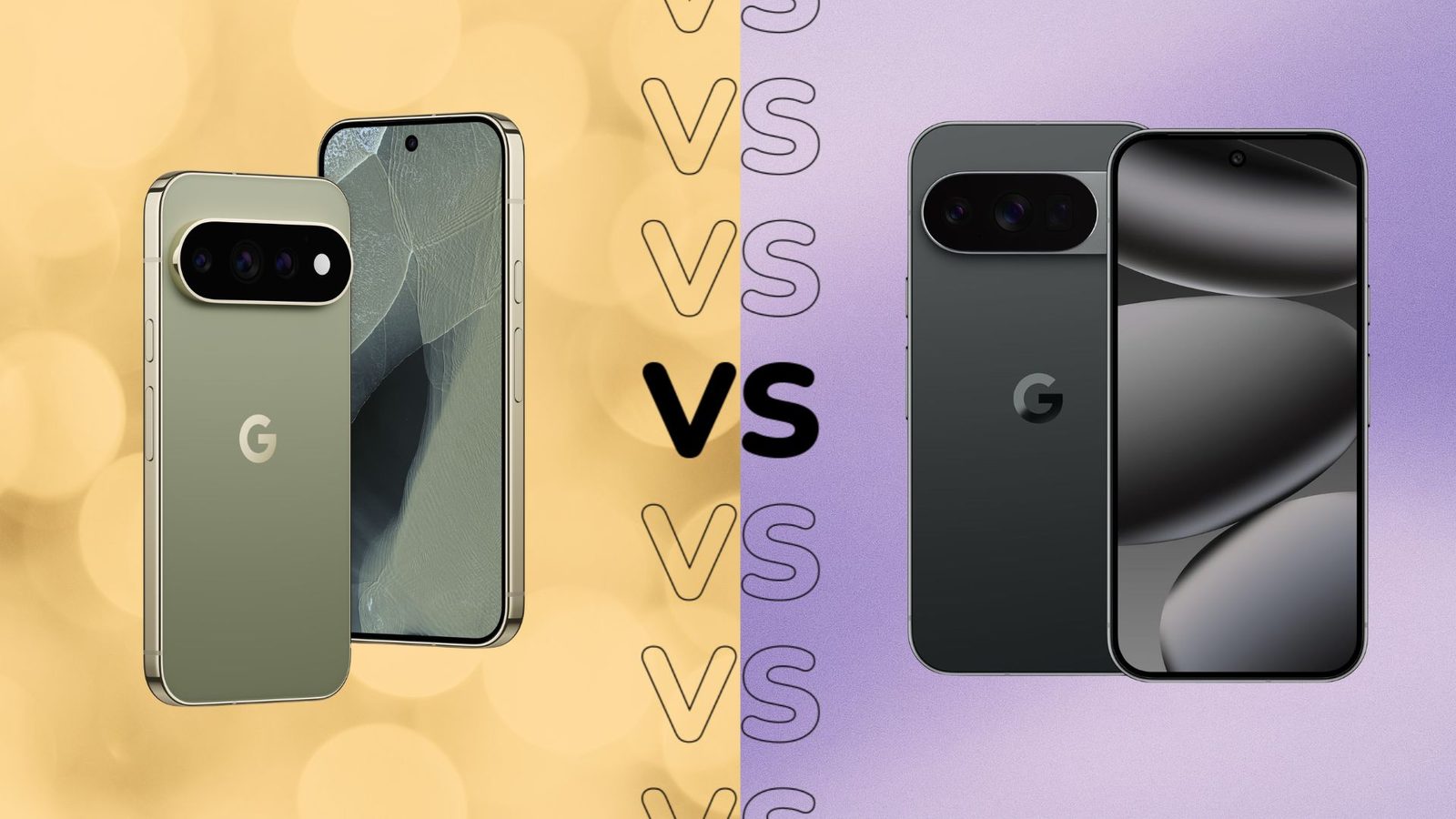
A £200 price increase, a six-hour battery jump, and a drop to 12GB RAM – we break down all eight differences between Google's two latest flagships.
Check the most recent build for Windows, macOS, iOS, and Android, learn whether automatic updates apply, understand the Chromium base, and find out how to retrieve the version programmatically.