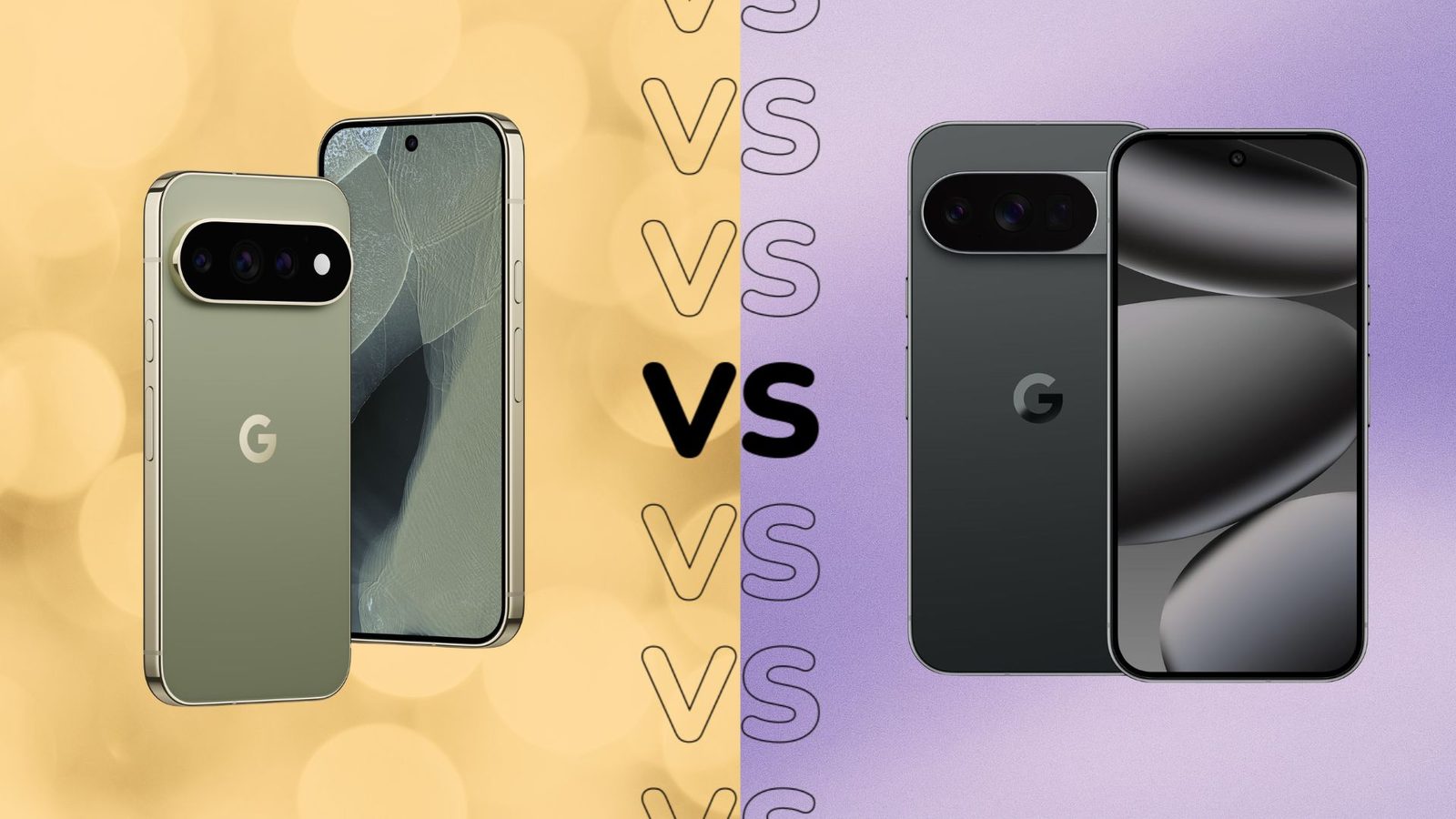
The Pixel 11 Pro starts at £1099/$1099 for the 256GB model, while the Pixel 10 Pro launched at £899/$899 for the same storage. That's a £200/$200 increase year over year. The Pixel 11 Pro XL costs an additional £200/$200 over the standard Pro. The Pixel 10 Pro is now a year old, so it's increasingly likely to see price drops, especially with the successor now on shelves. For budget-conscious buyers, the older model may be the better deal, but it lacks the newer chip and battery improvements. The price difference also buys you the Tensor G6, a brighter screen, and faster charging. Whether that justifies the extra cost depends on how much you value those upgrades over the £200 saving.
Google claims the Pixel 11 Pro delivers up to 30 hours of battery life between charges, compared to the Pixel 10 Pro's 24 hours. Both support 30W wired charging, but the 11 Pro adds Qi2.2 wireless charging, up from Qi2 on the 10 Pro. The 10 Pro counters with Extreme Battery Saver, which can stretch usage to 100 hours, a feature the 11 Pro doesn't explicitly mention. The battery capacity difference likely contributes to the longer runtime, though Google hasn't disclosed exact mAh numbers. For heavy users, the extra 6 hours is a tangible improvement, but the 10 Pro's extreme saver mode remains useful for emergencies. Wireless charging is also faster on the 11 Pro, but the difference may be negligible for most.
The Tensor G6 in the Pixel 11 Pro brings claimed 25% faster web browsing, 15% faster app launches, and 3.5x faster on-device AI processing compared to the Tensor G5 in the Pixel 10 Pro. Google has not published official benchmark numbers for the G6, but the G5 already delivered solid everyday performance despite not winning raw speed tests. The G6's gains are mostly AI-centric, which means tasks that rely on on-device intelligence such as real-time language support or smart camera adjustments could feel noticeably quicker. For gaming or heavy rendering, the difference may be less dramatic because the focus is on AI rather than raw graphical power. If you rely heavily on AI features, the G6 is a meaningful step up; otherwise, the G5 remains capable for most tasks. The 25% improvement in web browsing could translate to faster page loads and smoother scrolling in daily use, while the 15% faster app launches means less waiting each time you open an app. Since we have yet to review the Tensor G6, these figures are based on Google's official promises, but they suggest a noticeable improvement in everyday responsiveness. For users coming from an older Pixel, the jump from an older Tensor chip to the G6 will be even more pronounced, making the 11 Pro a strong upgrade if AI and app speed matter to you.
Peak brightness reaches 3600 nits
Display: 3600 nits peak brightne
The Pixel 11 Pro's display reaches 3600 nits peak brightness, making it the brightest Pixel yet. The Pixel 10 Pro's screen was already praised for its crisp resolution, 1-120Hz refresh rate, and vibrant colors, but it doesn't hit that 3600-nit figure. Both are 6.3-inch panels with Gorilla Glass Victus 2 for scratch and drop resistance, so the physical durability is identical. The higher peak brightness on the 11 Pro means better outdoor visibility in direct sunlight, as the screen can push more luminance to counteract glare. This is particularly useful when navigating with maps, reading messages on a sunny day, or capturing and reviewing HDR content. The 10 Pro's display was already excellent, so the difference is not about overall quality but about the upper limit. Typical indoor brightness levels will likely feel similar, but the extra headroom gives the 11 Pro a clear advantage in bright conditions. If you frequently use your phone outside, the 11 Pro is a worthwhile upgrade for the screen alone. For those who mostly stay indoors, the 10 Pro's display remains highly capable, and you might not notice the change in everyday use.
Base RAM drops to 12GB
Memory: 12GB default vs 16GB
The Pixel 11 Pro ships with 12GB RAM by default, down from the Pixel 10 Pro's 16GB. To get 16GB on the 11 Pro, you must choose the 512GB or 1TB storage tier, which costs extra. Google cites record-high RAM prices in 2026 as the reason for the reduction. This means that the base model of the 11 Pro has 4GB less memory than the base model of the 10 Pro. For everyday tasks like browsing, messaging, and watching videos, 12GB is generally sufficient, but heavy multitaskers who keep many apps open in the background might notice more apps reloading. The 10 Pro's 16GB base is a clear advantage for power users, as it provides more headroom without any additional cost. On the 11 Pro, if you want the same 16GB RAM, you'll have to pay significantly more for the higher storage tiers, which also increase the price of the phone. The price gap between the two phones is already large—the 11 Pro starts at £1079/$1099 compared to £899/$899 for the 10 Pro—so adding a higher storage tier pushes the 11 Pro even further. When deciding, consider whether you need the extra RAM for future-proofing or if 12GB handles your usage patterns without issue.
HiLight lets you go face-down without missing calls
Feature: HiLight LED notificatio
New to the Pixel 11 Pro, HiLight uses LED lights around the camera flash to notify you when you place the phone face down. It can glow for incoming calls and when you interact with Gemini. Google says more capabilities will arrive later, including message notifications. This is a subtle but handy feature for keeping your phone out of sight without missing calls. The LEDs are part of the camera module, so they also serve a dual purpose for photography—though they do not affect image quality. When you're at work or in a meeting and prefer to have your phone face down on the desk, HiLight will emit a soft glow to alert you to an incoming call, so you can decide whether to pick it up. Similarly, if you're using Gemini for tasks like setting reminders or asking questions, the lights can indicate when Gemini has responded, even if the screen is down. The feature is designed to reduce distractions while keeping you informed. No other Pixel currently offers this, making it a unique selling point for the 11 Pro. As Google rolls out additional functionality like message notifications, the utility of HiLight will grow over time, making it a forward-looking addition.
Camera hardware stays identical
Camera: Identical 50MP+48MP+48MP
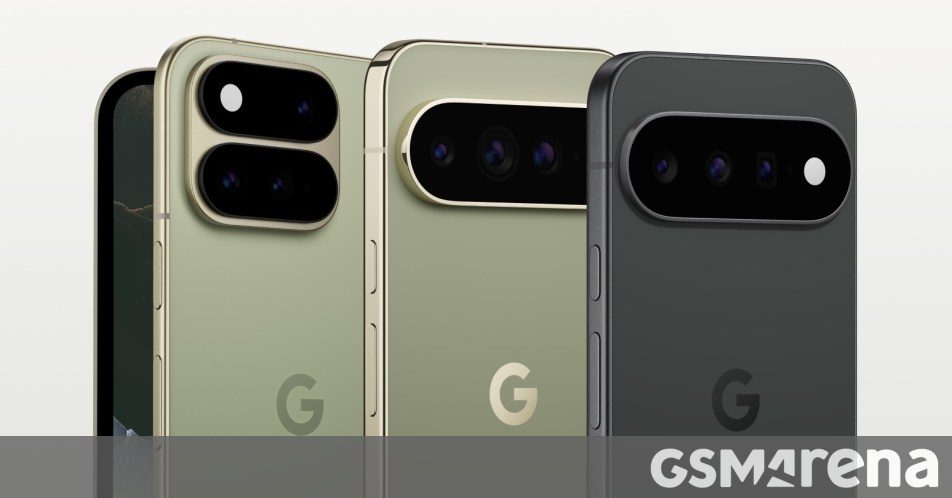
The camera hardware is identical between the two phones: a 50MP main sensor, 48MP ultrawide, 48MP 5x telephoto, and a 42MP front camera. Google hasn't changed the sensor layout, so the photographic experience should be largely the same, aside from any software tuning on the 11 Pro's Tensor G6. The 10 Pro already produces excellent photos, and the 11 Pro doesn't bring a new lens or resolution. This means that, in terms of pure hardware, there is no reason to upgrade from the 10 Pro to the 11 Pro for the camera. The 50MP main sensor captures detailed shots, the 48MP ultrawide offers a wide field of view, and the 48MP 5x telephoto allows for crisp zoomed images. The front camera matches at 42MP for sharp selfies. Any differences in image quality will come down to processing algorithms, but since both models run Android and use Google's Tensor chips, the software experience is likely to be similar. If you already own a 10 Pro, you can expect the same level of photographic capability from the 11 Pro. For someone upgrading from an older Pixel, this camera system remains a strong asset, offering versatility across different shooting scenarios without any hardware downgrade or upgrade.
Early verdict: a refinement, not an overhaul
Support: 7 years spare parts and
It's difficult to give a definitive conclusion without having reviewed the Pixel 11 Pro, but the upgrade from the Pixel 10 Pro appears to be more of a refinement than a complete overhaul. The 11 Pro does benefit from a newer chip, longer battery life, and new features like HiLight, but these are incremental improvements rather than dramatic changes. The camera hardware stays the same, and the screen size, IP rating, and storage options are identical. For someone who already owns a Pixel 10 Pro, the differences may not justify the splurge, especially given the higher price of the 11 Pro. However, if you're coming from an older model, such as a Pixel 8 or Pixel 7, the 11 Pro will be a more significant upgrade, offering better performance, a brighter display, and the latest Android version. The 10 Pro is still a strong phone, and its 16GB of RAM and lower price make it an attractive option. Unless you specifically need the brighter screen, longer battery, or HiLight, staying with the 10 Pro is a sensible choice. For those upgrading from an older Pixel, the 11 Pro represents a solid investment that will last for years.
Where this came from. This breakdown is based on source material published at
trustedreviews.com.
Images above are used with the credits shown beneath each one.