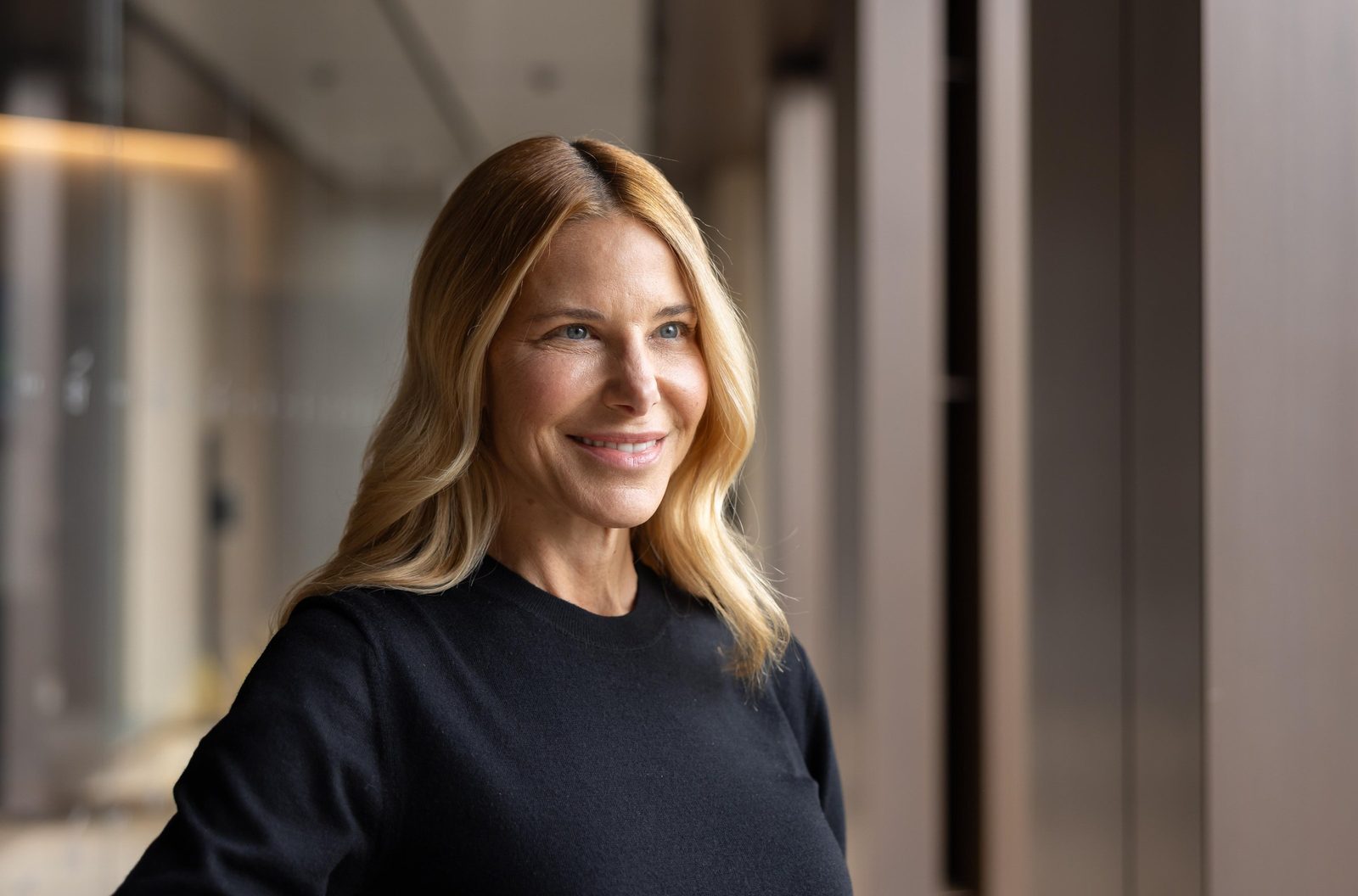
Denise Dresser joined OpenAI as chief revenue officer in December after leading Slack as its CEO. She said in a team note posted to LinkedIn that she would be leaving in the coming weeks to pursue other opportunities. Dali Rajic, president and COO of Wiz, will take over the role.
Amid the Churn: Lightcap, Simo, and Rouch
Two days before Dresser's announcement, Brad Lightcap, who had moved from COO to special projects lead, said he would leave the company. Lightcap had been OpenAI's chief operating officer before shifting to a role focused on special projects, a change that already narrowed his purview. The exits extend further back: Fidji Simo, the former AGI chief, and Kate Rouch, the former CMO, have both stepped down recently. That cluster of departures strips the executive team of some of its most recognisable figures. Lightcap, in particular, was known as an operational anchor, having overseen internal coordination across teams. The fact that he, Simo, and Rouch all left in a short span suggests a broader restructuring, even if OpenAI has not framed it that way publicly. Each of these leaders had a distinct mandate, and their simultaneous absence leaves a vacuum in areas ranging from product strategy to brand communication. The company has not announced replacements for Simo or Rouch, leaving their functions in interim hands.
The Overlap That Passes On
Dresser had absorbed some of Lightcap's responsibilities when he moved from COO to special projects lead. That means her departure doesn't just leave an empty CRO seat; it also removes the person who had been handling parts of the COO portfolio. Dali Rajic, the incoming CRO, will now inherit that combined mandate. The specific duties involved—revenue operations, sales strategy, and internal coordination between product and commercial teams—will need to be reassigned or consolidated under Rajic. OpenAI has not detailed how it plans to handle the broader operational load that Lightcap and Dresser shared, but the handover is more than a simple new hire: Rajic is stepping into a role that now spans two former executives' work. The fact that Dresser had already taken over some of Lightcap's work when he shifted roles suggests OpenAI was already consolidating. Now Rajic gets the accumulated job description, which may explain why the company chose someone with operational experience at Wiz rather than a pure sales hire.
OpenAI's Own Words on the Inflection
OpenAI said: "We're now at an inflection point: the next generation of models will change not just how work gets done but how companies are built and run." The company added that Dali Rajic will "build the revenue operating system needed to scale for this next phase."
The S-1 and the Empty Chair
Dresser's exit lands alongside OpenAI's confidential S-1 filing with the Securities and Exchange Commission, submitted in June. A confidential filing allows a company to prepare its public offering without disclosing financials immediately, but the eventual document will need to present a coherent revenue story. The CRO is typically the executive who explains how the company will grow sales, and having a new person in that role during the quiet period could complicate that narrative. OpenAI has not said whether Dresser's departure will delay the IPO timeline, but the company's choice of Rajic—who has led sales at a fast-growing security firm—suggests it wants to reassure investors that the revenue function is in experienced hands. The coming months will show whether the transition goes smoothly or signals deeper instability at a company that has made executive churn a recurring theme.
Where this came from. This breakdown is based on source material published at
theverge.com.
Images above are used with the credits shown beneath each one.