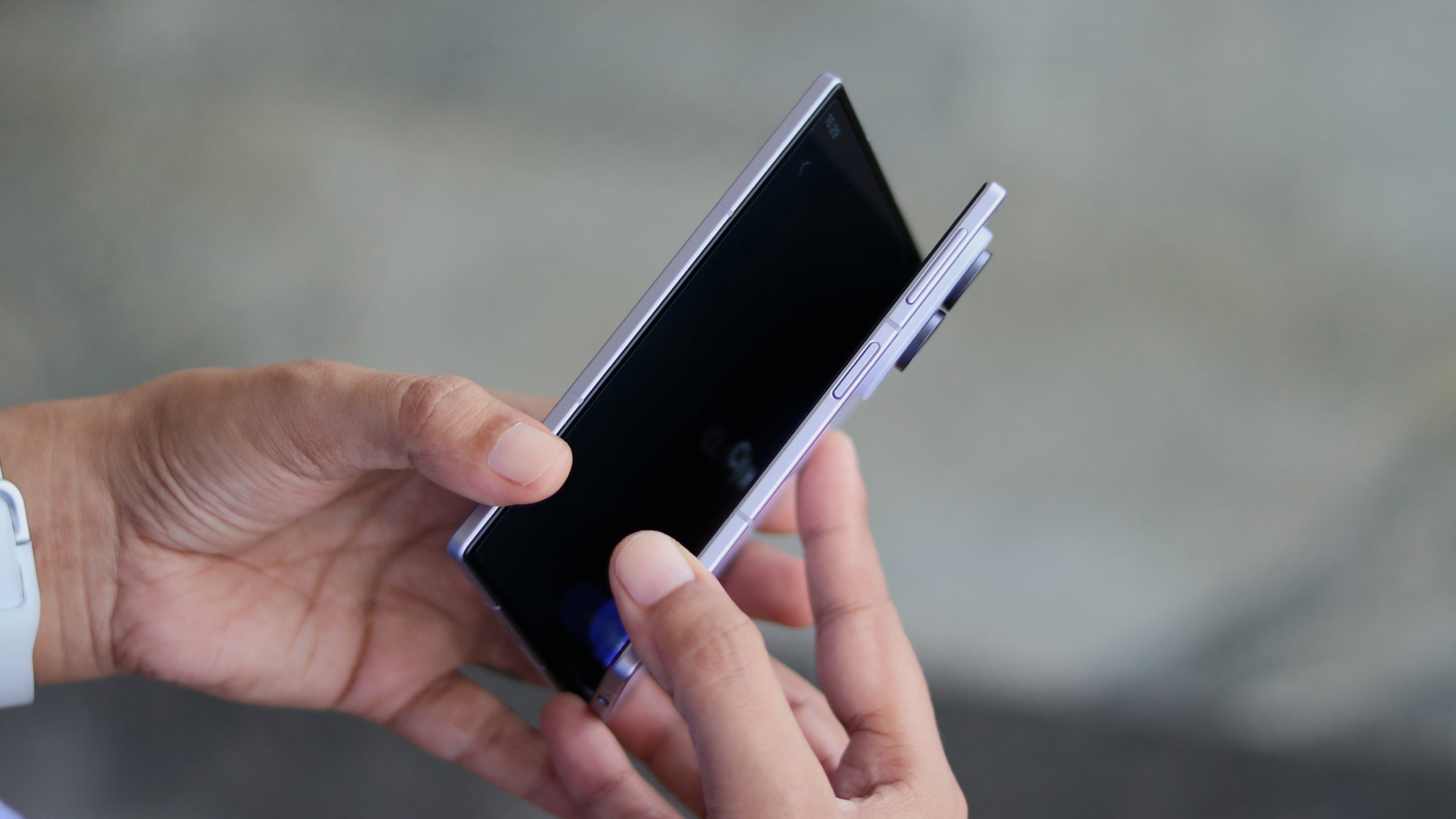
Samsung's 30-Month EMI Gambit: No Interest, But a Longer Commitment
Rising memory chip prices pushed Samsung's new foldables beyond last year's range, so the company is betting on 30-month no-cost EMI plans to keep them accessible in India.
The Indian challenger brand has spent weeks taunting the Korean giant on social media — now it needs a phone to back up the talk.
Source material: gsmarena.com
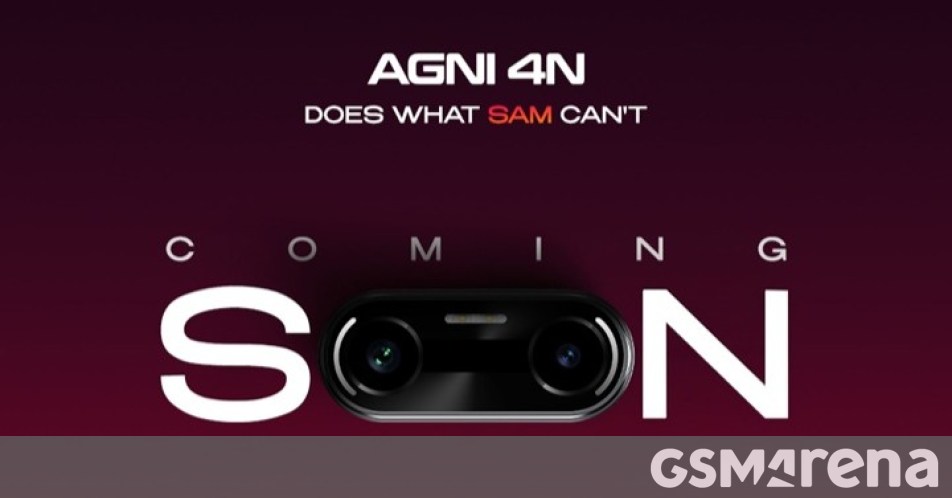
Lava told the UK market it was coming in the first quarter of 2026. The quarter came and went with no launch, no handset, and no explanation. Now the Indian brand is back on X, teasing a device called the Agni 4N for the UK — a phone that has not appeared in India either. The teaser image shows a rear camera island nearly identical to the Agni 4, which debuted in India last November. Beyond that silhouette, Lava has shared no specifications, no pricing, and no firm date. What it has shared is a slogan: "does what SAM can't." The capitalisation is deliberate.

Lava's UK-facing X account has spent the past week firing shots at Samsung over design stagnation, bloated pre-installed software, plastic construction, sluggish processors, and slow charging. The account's bio reads "Escape the SAMe cycle" — a play on Samsung's name that frames the Korean manufacturer as repetitive and uninspired. It is an unusual strategy for a brand with virtually zero UK recognition. Lava is betting that enough British consumers are frustrated with incremental Samsung upgrades to pay attention to a challenger they have never heard of. Whether that wager pays off depends entirely on what the Agni 4N actually delivers.
Lava has not confirmed any Agni 4N specifications, but the Agni 4 launched in India with a MediaTek Dimensity 8350 chipset, a 120Hz AMOLED display, a 50MP primary camera, and a 5,000mAh battery supporting 66W wired charging. The Indian variant ships with 8GB of RAM and 256GB of storage at ₹27,999. If the 4N mirrors those internals, Lava would be undercutting Samsung's mid-range Galaxy A-series on both charging speed and price. The Dimensity 8350 competes with Qualcomm's Snapdragon 7-series, which Samsung uses in its mid-range handsets. The question is whether Lava can match Samsung's software update commitment and carrier partnerships in a market where it has no track record.

Samsung dominates UK retail shelves through deep relationships with EE, Vodafone, Three, and O2. Lava has no such infrastructure. Without carrier backing, the Agni 4N would sell exclusively online — a path that works for OnePlus in the UK but required years of brand-building first. Lava's social-media provocation generates clicks, but clicks do not convert without hands-on availability. The brand will need at least one major carrier or a retail partner like Carphone Warehouse to give the 4N shelf space. Until Lava announces distribution, the Samsung taunts remain marketing theatre rather than a credible competitive threat.
Lava is not the only Indian handset maker looking west. Micromax attempted a UK push years ago before retreating, and Realme — an Oppo sub-brand with Indian manufacturing — has gained modest European traction. The UK smartphone market is dominated by Apple and Samsung. For Lava, even a small share would represent a breakthrough. The Agni 4N's success will hinge on whether British buyers trust a brand they associate with budget Indian phones to deliver a mid-range experience that rivals established players. The phone's camera island may look identical to the Agni 4's, but the market it enters could not be more different.
Where this came from. This breakdown is based on source material published at gsmarena.com. Images above are used with the credits shown beneath each one.
Rising memory chip prices pushed Samsung's new foldables beyond last year's range, so the company is betting on 30-month no-cost EMI plans to keep them accessible in India.
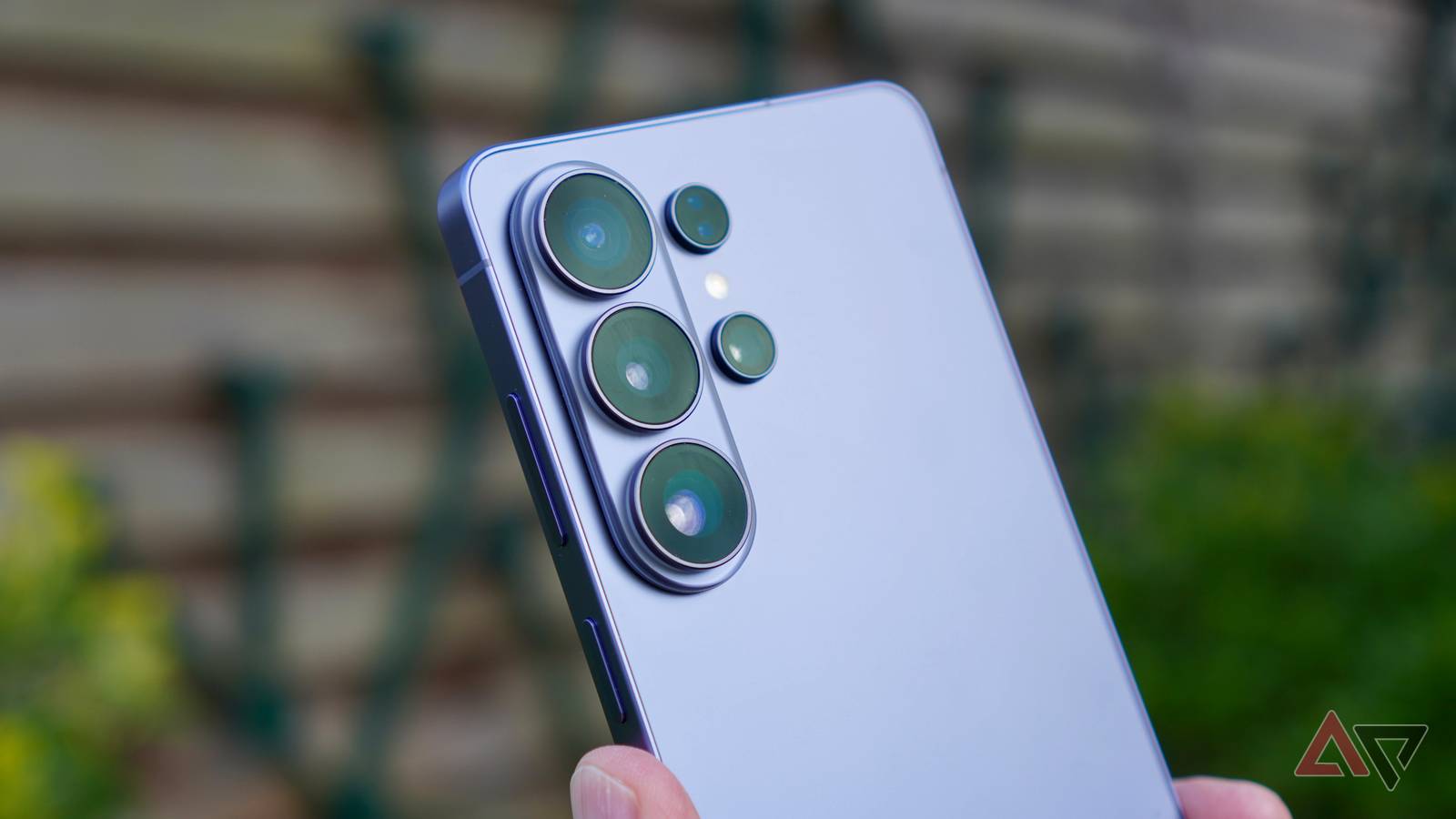
ET News reports a three-camera Ultra, a Pro with a 12MP 3x telephoto, and a lineup shaped by memory costs and Samsung's first-ever quarterly loss.