MacBook Neo Is Ripping Chromebooks and Windows Out of American Classrooms
Apple's cheapest laptop is winning school districts by the thousands — and half those orders replaced rival platforms, not older Macs.

Snap's smart glasses pricing and roadblocks collide with Apple's component costs and services dip, leaving investors to weigh competition, timing, and technical hurdles.
Source material: techcrunch.com
Snap's Specs carry a $2,195 price tag, which is more than six times the starting cost of most Meta Ray-Ban smart glasses (around $350) but still below Apple's Vision Pro at $3,500. This positions Specs in a middle-to-high tier, not as an entry-level gadget but also not as the most expensive spatial computing device on the market. The company spent over a decade developing the product before finally unveiling it in June, suggesting that the price could reflect substantial R&D and advanced components. By comparison, Meta Ray-Bans are widely seen as more affordable everyday wearables, while the Vision Pro is a premium mixed-reality headset. Specs sit between these extremes, which might appeal to early adopters who want more than a simple camera but aren't ready to invest on par with Apple's flagship. The pricing also indicates that Snap is not trying to undercut rivals; instead, it is betting on its unique features and ecosystem to justify the cost.
Being a first mover in smart glasses is what Snap CEO Evan Spiegel cites as the company's competitive edge over Apple, Meta, and Alphabet. On the earnings call, Spiegel said that when Snap started in social media, it was a late entrant, facing established apps such as Facebook, Instagram, and Twitter. With Specs, however, Snap is the first mover in the category, which plays to its strengths as an innovator. He called the long-term opportunity to develop the next computing platform 'enormous.' Spiegel also noted that developers have been building on the Specs platform for several years, giving Snap an ecosystem that rivals lack. This response came after investors questioned why Snap is pursuing this strategy alone instead of partnering with another company. Spiegel's confidence rests on the belief that being first allows Snap to define the user experience and secure developer loyalty before larger competitors catch up.
Spiegel said that mass-market adoption of the Specs is unlikely to happen until 'closer to the end of the decade.' The main obstacles are weight and cost, both of which need to decline before unit volumes can 'meaningfully pick up.' The current price remains a significant barrier for casual consumers, and the physical bulk of the device is another issue. However, Snap has a long runway to iterate: the company has been developing the product for more than ten years, and developers have been building applications for the platform for several years, which could accelerate refinement and create a robust ecosystem. He acknowledged that the technical difficulty of producing such glasses might slow competitors, but it also means that reducing weight and cost is an engineering challenge that Snap will need to solve over the next few years. Until then, the company expects a gradual adoption curve, with the mass market likely emerging only after iterative improvements and price reductions.
Apple has already raised prices on many products in response to a global mismatch between supply and demand for memory. Chip manufacturing is also tight, and Apple CEO Tim Cook said on the Q3 2026 earnings call that memory costs are expected to continue increasing into the next quarter and beyond. This situation could continue to impact the business. So far, Apple has not raised iPhone prices, but that remains a possibility. The concern is that significant price increases could lower overall sales if they exceed consumers' comfort level. This quarter already saw some impact, but it likely does not reflect the full brunt of it. Many potential Mac buyers might choose to wait until better economic conditions, hoping for prices to eventually come back down. Cook's comments suggest that consumers could see higher prices on iPhones and other devices in the coming quarters, unless memory costs stabilize.
The Specs smart glasses are a product that Snap has been developing for over a decade, only unveiling them in June. The engineering complexity is substantial; many people don't realize how hard it is to build such a device. The primary hurdles are weight and cost, both of which need to come down for mass adoption. To achieve a lighter and cheaper design, Snap will need to overcome significant materials and production challenges. Developers have been building on the Specs platform for several years, which suggests the software side is already advanced, but the hardware still has limitations. The upcoming September launch event will let consumers experience the device firsthand, but the company is aware that the general public will need to see tangible improvements in portability and affordability before the product can scale. This technical complexity also serves as a competitive barrier, giving Snap a learning curve that others may find hard to replicate.
Where this came from. This breakdown is based on source material published at techcrunch.com. Images above are used with the credits shown beneath each one.
Apple's cheapest laptop is winning school districts by the thousands — and half those orders replaced rival platforms, not older Macs.
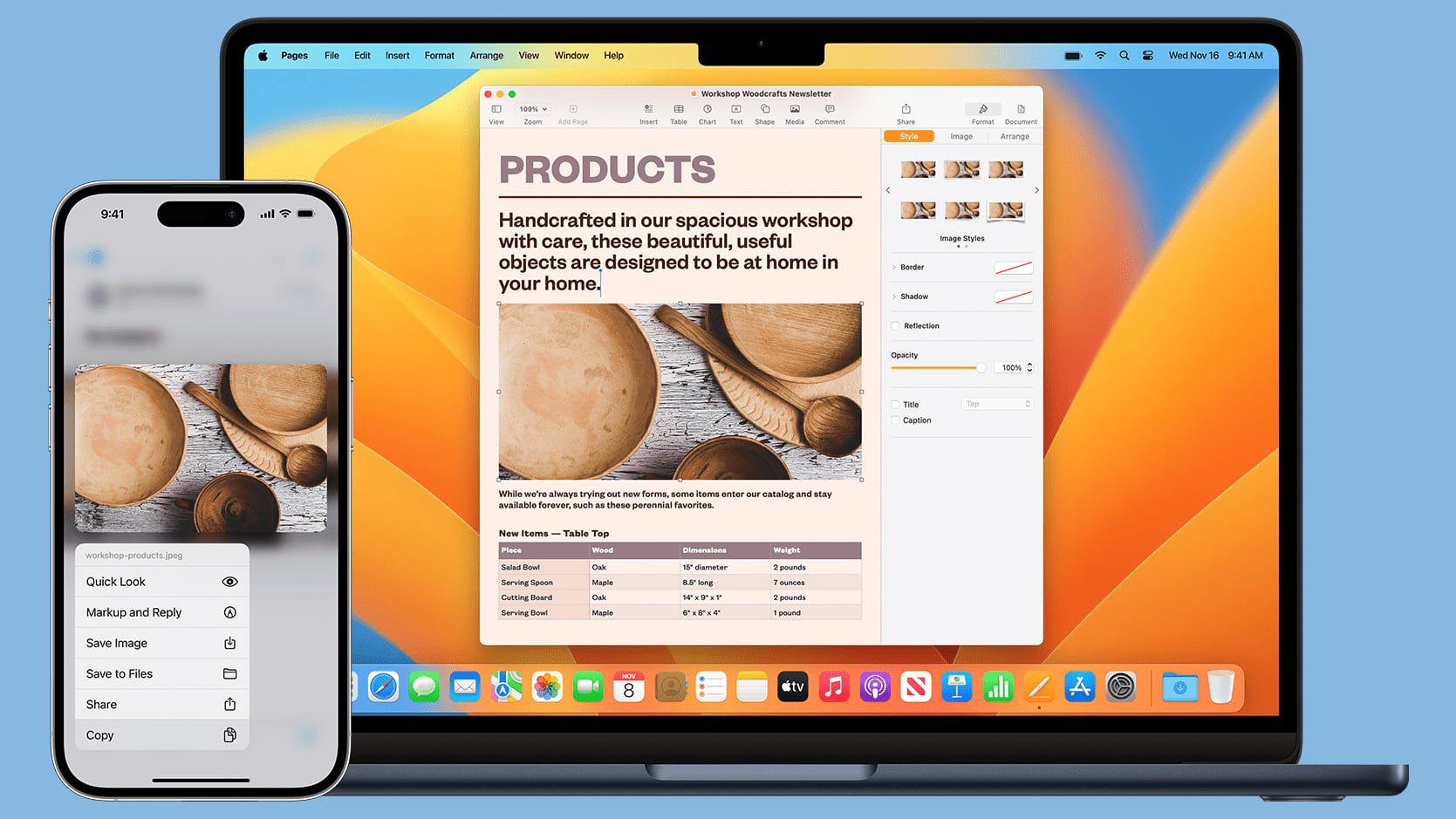
Cross-device copy-paste between iPhones and Windows PCs is coming, but the timeline and geography reveal how much the DMA is reshaping Apple's product roadmap.

The iPhone maker claims ex-employees smuggled confidential plans to OpenAI—now the AI startup's response hinges on who had access to what, and what that means for its rumored smart speaker.