Windows 11's Memory Diet: What the 8GB Optimization Push Means for Your PC
Microsoft's plan to trim Windows 11's memory footprint for 8GB machines is one of four priorities the company has set for the year — and the hardest to pull off.

Microsoft is cutting Windows 11's memory footprint to fit 8GB machines, while a separate push to let iPhones and Windows PCs share a clipboard is stuck in a slow EU interoperability process.
Source material: windowscentral.com
Eight gigabytes of RAM is a tight corner for Windows 11, and last week Windows chief Pavan Davuluri confirmed the company is moving to make it work better. Marcus Ash, Microsoft's Corporate VP of Design and Research on Windows, has now detailed how. Speaking on the Windows Central Podcast, Ash framed the effort as a full-stack problem. "We have to look at these as full-stack challenges, from the design of the pixels all the way down to the kernel scheduler and drivers," he said. "We know that given the expectations customers are going to have, we have a chance to do better. We have a chance to do things that get ahead of where we know customers are going to go in terms of their expectations on the apps they run, and the responsiveness of those apps." The optimization work pulls together teams across Microsoft, including those building software and experiences inside and on top of Windows 11, to examine every layer that touches memory.

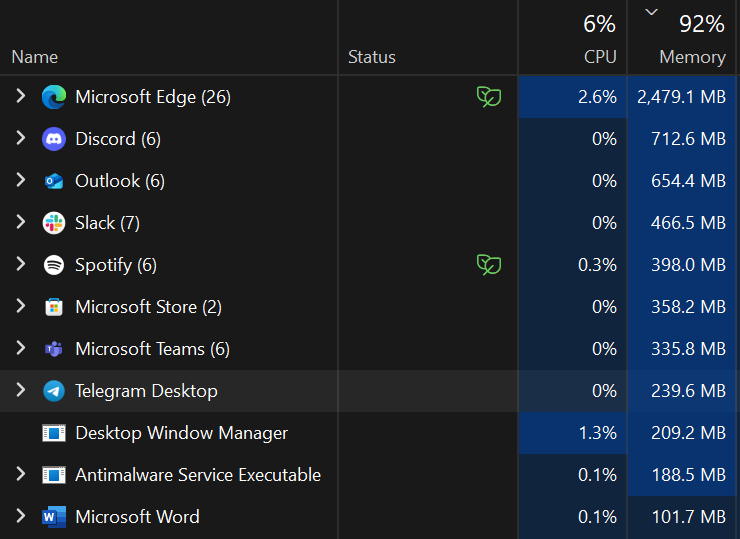
The mechanics start with instrumentation. Ash said the company gets teams together to instrument the various "customer jobs" users want to run, then relentlessly asks how to reduce the memory footprint. Preload timing is a key lever. "How do we think about preload, and how long something should stay preloaded so that we can release things when you're not using the app as much, when we really need to reduce more system memory?" He also described a user-facing safety valve: "We think about the design and just making sure that when people get under stressful memory conditions, how do we make it very easy for them to decide what they don't want to run anymore so that we can relieve some of that pressure?" That approach combines kernel-level decisions about what stays resident with a UI that hands the choice to the user when the system is under strain.
Microsoft sees two forces driving the push: the ongoing memory pricing crisis and competition from the MacBook Neo. The company has confirmed that it's looking to begin shipping these memory and performance optimizations before the end of the year. That timeline puts a hard deadline on an effort that spans design, the kernel scheduler, and drivers. The expectation, according to Ash, is that users on 8GB machines will judge Windows 11 against the responsiveness of far more expensive hardware, and the memory work is the attempt to close that gap before the year runs out.
Separately, Microsoft has made a formal interoperability request to Apple for cross-device copy and paste between iPhone and Windows. Using Apple's EU interoperability portal — built to comply with the Digital Markets Act — Microsoft asked for the ability to copy text and other supported content on an iPhone and paste it directly on a Windows PC and vice versa. Apple began evaluating the request in March and on June 26 proposed a project plan. The solution Apple outlined relies on AccessorySetupKit, requiring a one-time consent from the user to share the pasteboard with a paired device. This mirrors the Accessory Notifications option Apple added for third-party wearables in the EU in iOS 26.5. Microsoft described the desired experience as a "lightweight, continuous capability" rather than a manual, app-driven operation.
Today, an iOS app can only read the clipboard if it's running in the foreground and the user grants access with each action. Microsoft wants to eliminate that friction, but Apple's proposed fix carries a heavy timeline: engineering work is expected to be complete by fall 2027, followed by a developer beta, with a public release potentially sliding into early 2028 if the fall deadline slips. The feature may also be limited to the EU, though Apple has extended some DMA-required capabilities worldwide — eSIM transfers from iPhone to Android being one example. Users in other regions might get the convenience eventually, but the memory optimizations for Windows 11 will arrive long before Apple's clipboard bridge does.
Where this came from. This breakdown is based on source material published at windowscentral.com. Images above are used with the credits shown beneath each one.
Microsoft's plan to trim Windows 11's memory footprint for 8GB machines is one of four priorities the company has set for the year — and the hardest to pull off.
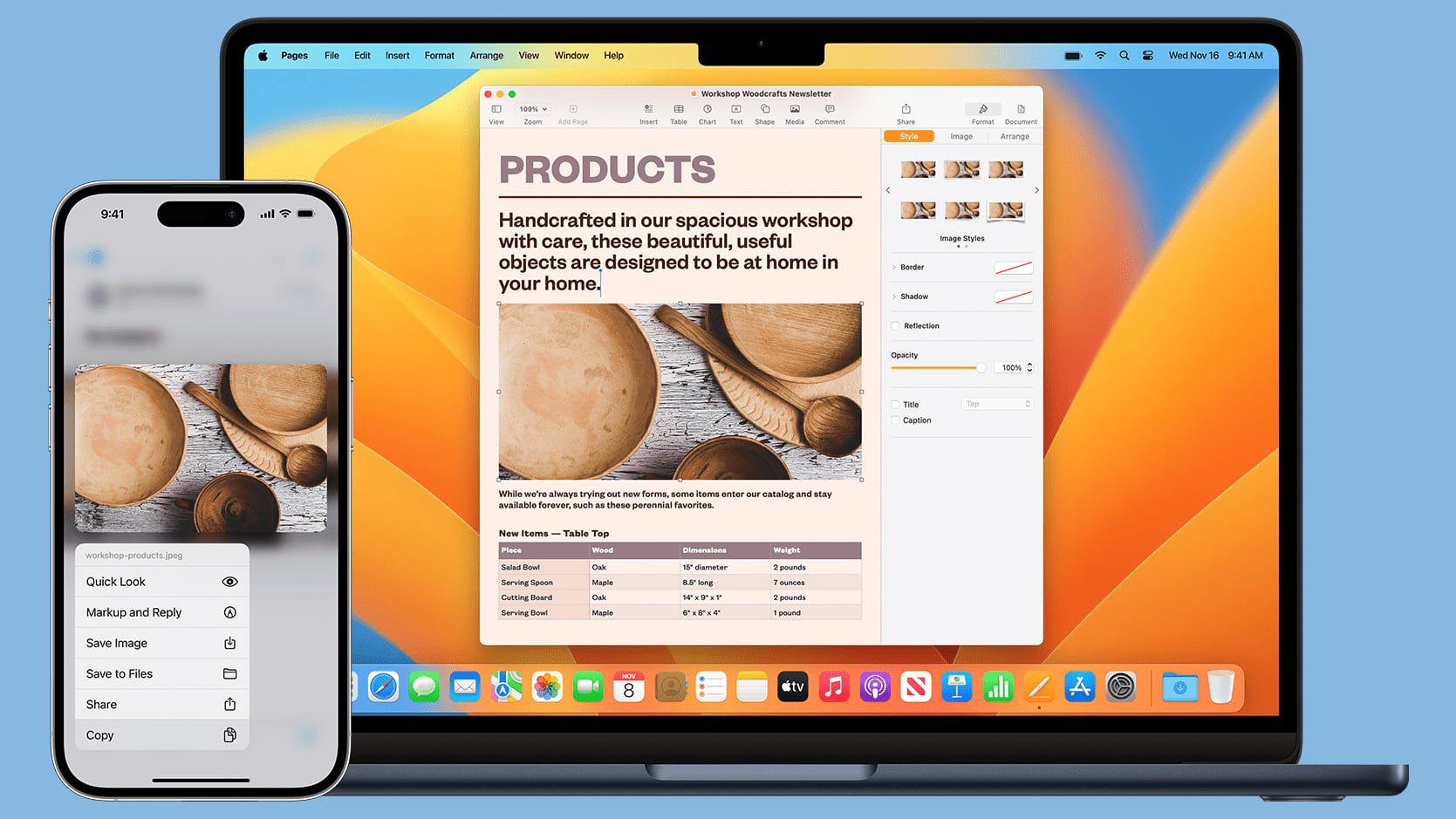
Cross-device copy-paste between iPhones and Windows PCs is coming, but the timeline and geography reveal how much the DMA is reshaping Apple's product roadmap.

Apple is building a cross-platform clipboard feature after Microsoft's formal request under the Digital Markets Act.